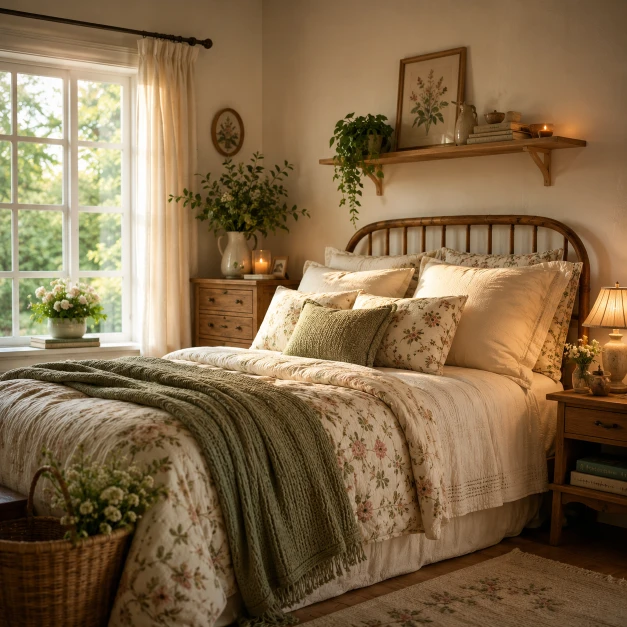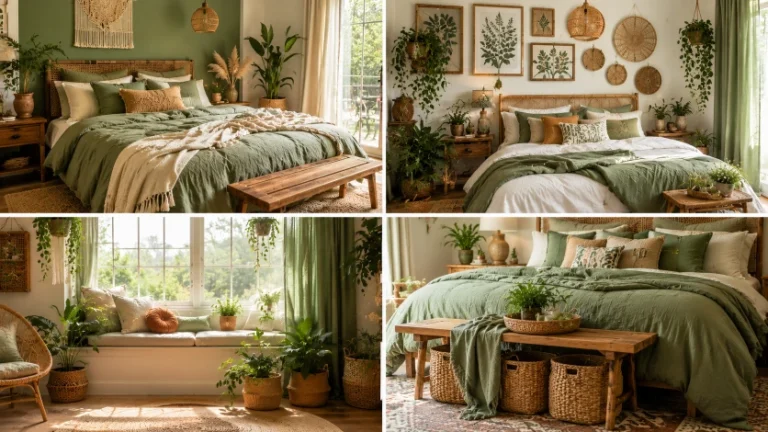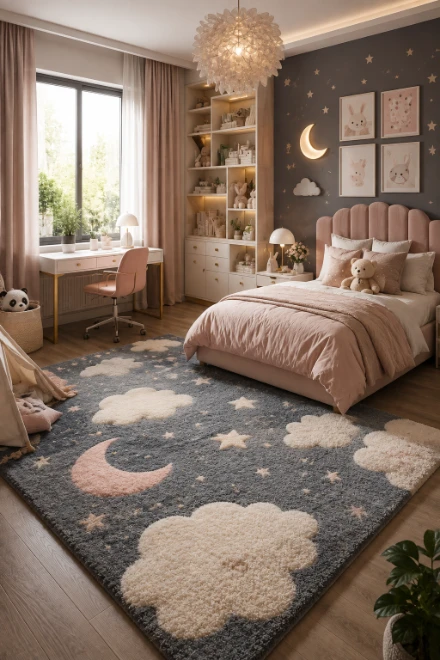
Stunning Luxury Bedroom Ideas for the Perfect Escape
A luxurious bedroom is not simply a room filled with expensive furniture. The spaces that feel truly high-end usually have something more important: comfort, balance, thoughtful lighting, beautiful materials, and a layout that makes everyday life easier.
Think about the bedrooms you remember from a beautiful hotel. Was it the oversized bed, the soft lighting, the quiet colors, or the way everything seemed to have its own place?
You can bring many of those qualities into your own home without replacing everything at once.
These luxury bedroom ideas focus on practical upgrades that can make a bedroom feel elegant, comfortable, and personal. Whether you prefer modern minimalism, warm neutrals, contemporary glamour, or a more classic interior, there are plenty of ways to create a bedroom that feels special every time you walk inside.
15 Luxurious Bedroom Ideas
1. Embrace a Soft Color Palette

Color has a major influence on how luxurious a bedroom feels.
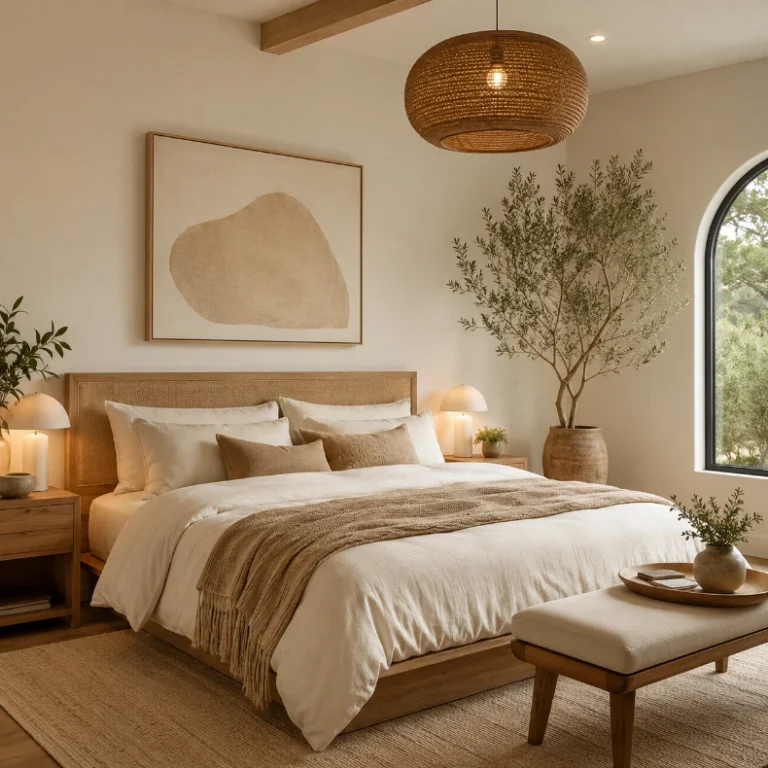
Instead of filling the room with several bold shades, begin with a calm foundation. Warm white, ivory, cream, beige, taupe, mushroom, greige, and soft gray are all useful options for creating an elegant background.
A simple combination might be:
Warm ivory walls + beige upholstered bed + walnut furniture + cream bedding + muted brown accents
The result feels sophisticated without looking overly decorated.
Soft colors also allow materials such as wood, velvet, linen, marble, and metal to stand out naturally.
This does not mean your bedroom has to be completely neutral. Muted sage, dusty blue, burgundy, navy, olive, or soft blush can introduce personality through cushions, artwork, a bench, or an occasional chair.
Before choosing wall paint, test samples in several areas of the bedroom. Natural and artificial light can make the same shade look very different throughout the day.
2. Add Statement Lighting

Lighting can change an ordinary bedroom more quickly than almost any decorative accessory.
Instead of depending on one ceiling fixture, use several light sources for different purposes.
A luxury bedroom could include:
- A sculptural chandelier or pendant
- Matching bedside lamps
- Wall sconces beside the bed
- A floor lamp near a reading chair
- Concealed LED lighting inside built-in cabinetry
- Small accent lighting for artwork
The ceiling fixture can become a visual focal point, particularly in a larger master bedroom.
However, bigger is not always better. The fixture should suit the proportions of the room and leave comfortable clearance beneath it.
Pay attention to the quality of light as well. Warm, soft illumination generally creates a more relaxing atmosphere than harsh, cool lighting.
Dimmers are especially useful because the same bedroom may need bright light while getting ready and softer illumination before sleep.
3. Invest in a Quality Mattress and Bedding

A bedroom can look beautiful, but if the bed is uncomfortable, it will never feel truly luxurious.
Start with the practical foundation: a supportive mattress that suits your sleeping preferences.
Then build the bedding in layers.
You might combine:
- Breathable cotton or linen sheets
- A comfortable duvet
- Two sleeping pillows per person where preferred
- A small number of decorative cushions
- A quilt or coverlet
- A textured throw across the end of the bed
Choose materials according to comfort rather than relying only on appearance.
High thread count alone does not automatically mean better sheets. Fiber quality, weave, breathability, construction, and personal preference all matter.
You also do not need ten decorative cushions to make the bed look expensive. A neatly made bed with a few well-chosen layers often looks more sophisticated.
For an elegant hotel-inspired appearance, try white or cream sheets with a taupe duvet, a warm beige throw, and two textured accent cushions.
4. Layer Your Textiles

Texture prevents a luxury bedroom from looking flat, particularly when most of the room uses neutral colors.
Imagine an all-beige bedroom containing only smooth surfaces. Even with beautiful furniture, it may feel unfinished.
Now add linen curtains, a wool rug, an upholstered headboard, crisp cotton bedding, and a soft throw. The palette has barely changed, but the room immediately has more visual depth.
Useful bedroom textures include:
- Linen
- Cotton
- Velvet
- Wool
- Bouclé
- Cashmere-style throws
- Woven fibers
- Leather
- Natural wood
The key is variation rather than quantity.
For example, pair smooth cotton sheets with a linen duvet and a heavier knitted or wool throw instead of buying every textile in exactly the same fabric.
Keep the materials appropriate for your climate too. A bedroom in a warm region may benefit from lightweight cotton and linen rather than several heavy blankets simply for decoration.
5. Add a Statement Headboard

The bed is usually the largest object in a bedroom, which makes the wall behind it a natural focal point.
A statement headboard can give this area greater architectural presence.
Depending on your preferred style, consider:
- Channel-tufted upholstery
- Curved upholstered headboards
- Warm walnut panels
- Vertical wood slats
- Full-width padded wall panels
- Simple leather upholstery
- Bouclé or textured fabric
For a particularly polished appearance, the headboard can extend beyond the width of the mattress and visually connect with the nightstands.
A full-height upholstered or wood-paneled wall can work beautifully in a large bedroom, but you do not need an enormous feature to achieve a similar effect.
In a smaller room, a simple curved headboard in cream, taupe, olive, or muted blue can provide enough character without overwhelming the space.
Consider maintenance before selecting pale fabrics, especially in homes with children or pets. Removable or easy-clean upholstery can be more practical.
6. Incorporate Mirrors

Mirrors are useful for more than checking your outfit.
Placed carefully, they can reflect daylight, make a small bedroom appear more open, and introduce another decorative material.
A tall floor mirror works particularly well near a wardrobe or dressing area. You could also place a decorative mirror above a dresser or use mirrored panels as part of built-in cabinetry.
For a contemporary luxury bedroom, consider a slim brass, bronze, black, or wood frame instead of highly ornate mirrored furniture.
Placement matters.
Positioning a mirror where it reflects a window can help distribute natural light. On the other hand, placing a large mirror directly opposite the bed may not suit everyone.
Think about what the mirror will reflect before mounting it. A beautiful window, artwork, or attractive architectural detail is generally preferable to a cluttered corner.
7. Keep Furniture Minimal and High-Quality

Luxury interiors do not need furniture on every available wall.
In fact, leaving enough open floor space can make a bedroom feel calmer and more expensive.
Start with the pieces you genuinely need:
- Bed
- Nightstands
- Wardrobe or closet
- Dresser if necessary
- Chair or bench if space allows
Choose furniture that suits the scale of the room.
An oversized king bed, two large nightstands, a dresser, bench, armchair, desk, and additional cabinet can quickly overwhelm a modest bedroom.
Quality also matters more than having a matching furniture collection.
Mixing compatible materials often creates a more natural designer look. For instance, an upholstered bed can work with walnut nightstands, while a slim metal-framed chair introduces contrast.
Look for sturdy construction, useful storage, comfortable proportions, and finishes that will age well.
8. Create a Cozy Seating Area

If your bedroom has enough room, a small seating zone can make it feel more like a private suite.
You do not necessarily need a full sofa.
A comfortable armchair beside a window, paired with a small side table and floor lamp, can create a pleasant reading corner.
Larger bedrooms might accommodate two chairs with a small table between them. A chaise lounge can also work when the floor plan allows.
Keep the seating connected visually to the rest of the room.
For example, if the bed has cream upholstery and walnut bedside tables, consider a warm beige chair with a small walnut or dark metal table.
A bench at the end of the bed provides another option. Besides adding visual structure, it offers a convenient place to sit while getting dressed.
Before buying seating, measure the room carefully and maintain comfortable walking paths around the bed and furniture.
9. Add Wall Art with Personality

Luxury does not have to mean anonymous hotel decor.
Artwork gives the bedroom personality and can make an otherwise carefully designed room feel more personal.
Rather than filling every wall with small pieces, consider one substantial artwork above the bed or dresser.
Good options include:
- Abstract paintings
- Landscapes
- Botanical prints
- Photography
- Textile art
- Sculptural wall pieces
- Personal travel photography
Scale is important.
Tiny artwork above a wide king-size bed can look disconnected. A larger piece or a balanced group of two or three artworks often fits the proportions better.
Use the room’s existing palette as a guide, but avoid matching every color perfectly. Artwork can introduce subtle contrast.
Personal pieces can be especially effective. A framed photograph from a meaningful trip, for example, gives the bedroom a story that mass-produced decor cannot provide.
10. Use Statement Curtains

Window treatments can significantly influence how finished a bedroom looks.
For an elegant appearance, hang curtains high and allow them to extend close to the floor. This can visually emphasize ceiling height and make the windows appear larger.
Fabric choice depends on the atmosphere you want.
Linen and linen blends create a relaxed luxury feel, while velvet can introduce richness in more dramatic interiors.
Layering can also be practical.
Try combining:
Sheer curtain + lined drape
The sheer layer filters daylight while the heavier curtain provides privacy and better light control.
For bedrooms where darkness is important for sleep, blackout lining can be particularly useful.
Make sure curtains are wide enough to look full when closed. Panels that barely cover the window can appear thin and unfinished.
11. Install Built-In Storage

Clutter can quickly undermine even the most carefully designed luxury bedroom.
Built-in storage helps maintain a clean appearance while making use of awkward walls and corners.
Consider floor-to-ceiling wardrobes with a combination of:
- Hanging rails
- Drawers
- Shelves
- Shoe storage
- Upper cabinets for seasonal items
Handleless cabinetry can suit contemporary rooms, while framed doors and subtle hardware work well in transitional or classic bedrooms.
If you have a television in the bedroom, cabinetry can also help integrate it rather than allowing the screen and cables to dominate the wall.
Smaller bedrooms can benefit significantly from custom-looking storage, but fully bespoke cabinetry is not the only solution.
Affordable wardrobes can sometimes be fitted between walls and finished with trim panels to create a more integrated appearance.
The goal is simple: give everyday belongings a proper home so visible surfaces can remain relatively clear.
12. Add a Plush Area Rug

A rug introduces softness underfoot and helps visually anchor the bed.
One common mistake is choosing a rug that is too small.
Ideally, the rug should extend far enough beyond the sides of the bed that your feet land on it comfortably when you get up.
For larger beds, placing a substantial rug beneath the lower portion of the bed can help create balanced proportions.
Consider materials such as:
- Wool
- Wool blends
- Low-pile textured rugs
- Soft synthetic fibers
- Viscose blends where appropriate
- Natural fiber rugs for a more relaxed look
A plain cream or taupe rug works well in a room with patterned bedding or detailed artwork.
If the rest of the bedroom is very simple, a subtle geometric or vintage-inspired rug can provide more character.
Always consider cleaning and maintenance, especially in high-use bedrooms.
13. Play with Metallic Accents

Metallic finishes can give a bedroom subtle polish, but restraint makes them more effective.
Instead of filling the room with shiny gold objects, repeat a metal finish in a few carefully selected locations.
For example:
Brushed brass sconces + slim brass mirror frame + small brass drawer handles
That is often enough to create continuity.
Popular options include brushed brass, antique bronze, polished nickel, chrome, and matte black metal.
Brass works particularly well with warm cream, walnut, olive, navy, and taupe. Chrome and polished nickel can complement cooler gray, blue, white, and contemporary palettes.
Mixing metals is also possible.
If you do so, choose one dominant finish and use the second in smaller amounts. This prevents the room from looking as though every accessory was purchased as part of one matching collection.
14. Decorate with Plants
Plants can soften the clean lines and polished materials commonly found in luxury bedrooms.

One healthy plant often has more impact than numerous tiny pots scattered across every surface.
A tall plant can fill an empty corner, while a smaller plant can sit on a dresser or shelf.
Choose plants according to the actual conditions in your bedroom, including available daylight, humidity, temperature, and your ability to maintain them.
Do not select a plant simply because it looks attractive in an inspiration photo.
If your bedroom receives limited natural light or maintaining living plants is difficult, a high-quality artificial plant or a vase with preserved branches can provide a similar visual effect.
Natural greenery works particularly well alongside wood, stone, linen, rattan, and warm neutral colors.
15. Include Elegant Nightstands

Nightstands are small pieces of furniture, but they strongly influence the area around the bed.
Choose a design that provides enough surface space for everyday essentials without encouraging clutter.
Drawers are particularly useful for hiding items such as charging cables, medication, reading glasses, and personal accessories.
Materials can include:
- Walnut or oak
- Painted wood
- Marble or stone tops
- Metal details
- Fluted wood
- Leather-wrapped finishes
Your nightstands do not have to match the bed exactly.
Contrast can actually make the room more interesting. A cream upholstered bed, for example, can look beautiful beside dark walnut nightstands.
Keep the top styling simple. A lamp, a small tray, and perhaps one book or decorative object may be all you need.
If the room is narrow, consider floating bedside tables. They free up visible floor area and can give the bedroom a lighter, contemporary appearance.
Quick Luxury Bedroom Formula
If you are unsure where to begin, use this simple combination as a starting point:
| Element | Luxury Bedroom Option |
|---|---|
| Walls | Warm white, cream, greige, or taupe |
| Bed | Upholstered or quality wood frame |
| Bedding | Cotton/linen with layered neutrals |
| Lighting | Statement ceiling light + bedside lighting |
| Furniture | Minimal, well-made pieces |
| Curtains | Full-length lined curtains |
| Rug | Large, soft area rug |
| Storage | Closed or built-in storage |
| Accent | Brass, bronze, wood, or stone |
| Decor | Large artwork + limited accessories |
You do not have to add everything at once. Start with the bed, lighting, and window treatments, then introduce decorative details gradually.
FAQs
What makes a bedroom look luxurious?
A luxurious bedroom usually combines comfortable bedding, thoughtful lighting, quality materials, balanced furniture placement, full-length window treatments, and controlled clutter.
The room does not necessarily need expensive designer furniture. Attention to proportion, texture, lighting, and consistency often makes a bigger difference than price.
How can I make my bedroom luxurious on a budget?
Focus on changes with strong visual impact.
Start by removing unnecessary clutter and improving the bedding arrangement. Add full-length curtains, replace outdated lamps, introduce a large rug, and use one substantial piece of artwork instead of buying numerous small accessories.
You can also update existing furniture with new handles or refinish a dresser rather than replacing it.
What colors are best for a luxury bedroom?
Warm white, ivory, cream, beige, taupe, greige, soft gray, and muted earthy shades provide a flexible foundation.
For more drama, add controlled amounts of navy, forest green, burgundy, chocolate brown, charcoal, or muted blue.
The best palette ultimately depends on the bedroom’s natural light, furniture, and the atmosphere you want to create.
Does a luxury bedroom have to be large?
No. Small bedrooms can feel extremely polished when the furniture is appropriately scaled and clutter is controlled.
Use fewer pieces, choose functional storage, hang curtains high, incorporate mirrors strategically, and invest in comfortable bedding. Trying to fit too much furniture into a small room usually has the opposite effect.
What should I upgrade first in my bedroom?
Start with the element that affects daily comfort most: the bed.
A supportive mattress, comfortable sheets, quality pillows, and well-layered bedding can improve both the appearance and usability of the room.
After that, consider lighting, curtains, storage, and a properly sized rug.
Conclusion
The best luxury bedroom ideas are not simply about adding expensive objects. A sophisticated bedroom comes from combining comfort, thoughtful proportions, useful storage, quality textures, flattering lighting, and details that feel personal.
Start with the essentials. Make the bed comfortable, improve the lighting, control clutter, and choose a calm color palette. Then add character through artwork, textiles, greenery, metallic details, and furniture you genuinely enjoy using.
Most importantly, design the bedroom around your everyday routine rather than an inspiration photo alone. A room that looks elegant but is uncomfortable or difficult to maintain will quickly lose its appeal.
A truly luxurious bedroom should make coming home—and going to bed—feel a little better every day.