Bedroom Renovation Ideas: Transform Your Sleep Space into a Sanctuary!
Your bedroom may be where you sleep, but it also shapes how you start and end every day. If the room feels cluttered, dated, dark, or simply uninspiring, a few thoughtful changes can make it far more comfortable without requiring a complete rebuild.
The best bedroom renovation ideas balance appearance with everyday function. A beautiful bed matters, but so do good lighting, practical storage, comfortable flooring, easy movement around furniture, and colors that help the room feel restful.
You also don’t have to renovate everything at once. Changing the wall color, improving storage, replacing tired bedding, or creating one comfortable corner can noticeably refresh the space.
Below are 13 practical bedroom renovation ideas that can help you create a room that feels calm, personal, stylish, and easier to live in.
1. Embrace Earthy Tones

Color is one of the easiest ways to change how a bedroom feels. Instead of automatically choosing bright white or cool gray, consider an earthy palette that brings warmth and softness into the room.
Suitable bedroom colors include:
- Warm beige
- Oatmeal
- Taupe
- Terracotta
- Muted clay
- Sage green
- Olive
- Mushroom
- Warm cream
- Soft brown
You don’t need to use several earthy colors at once. In fact, a restrained palette often feels more polished.
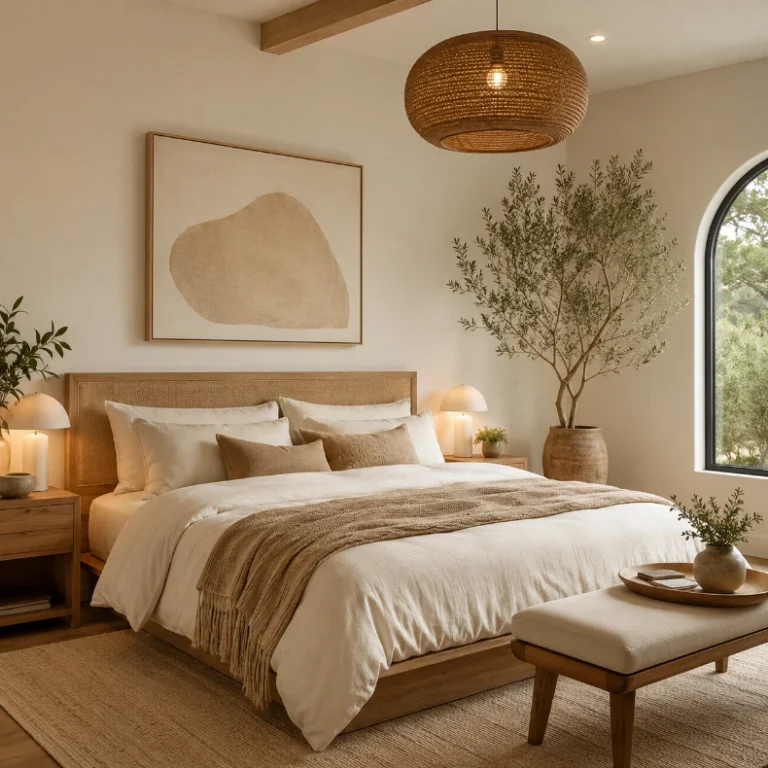
For example, warm cream walls + walnut furniture + olive bedding + a beige wool rug creates plenty of visual variation without making the bedroom feel busy.
Before committing to a paint color, test samples on different walls. Natural and artificial light can significantly change how beige, green, taupe, and other muted shades appear throughout the day.
If repainting the entire room isn’t part of your renovation budget, bring earthy tones in through bedding, curtains, rugs, artwork, and upholstered furniture instead.
Practical tip: Choose two or three main colors and repeat them subtly throughout the room. This helps separate pieces feel connected rather than randomly selected.
2. Create a Cozy Reading Nook

An unused bedroom corner can become much more valuable with the addition of a small reading area.
You don’t need a huge bedroom or an expensive chaise lounge. A comfortable armchair, compact side table, and suitable reading lamp can be enough.
If possible, position the chair close to a window. Natural daylight makes the area pleasant during the day, while a floor or wall-mounted reading light can make it functional in the evening.
Complete the space with a few practical additions:
- Comfortable upholstered chair
- Small side table
- Floor or wall lamp
- Soft cushion
- Lightweight throw
- Small basket for books or magazines
For a smaller bedroom, consider a compact slipper chair or an upholstered bench near the window rather than a large armchair.
Another option is to create a reading spot using a built-in window seat. Storage drawers underneath can provide additional room for bedding, books, or seasonal items.
Think about how you actually spend time in your bedroom. Would you use the corner for reading, morning coffee, journaling, or simply sitting somewhere other than the bed? Designing around a real habit makes the renovation much more useful.
3. The Power of Mirrors

Mirrors can be both practical and decorative, particularly in small or darker bedrooms.
A large mirror placed where it can reflect natural light may make a room feel brighter and visually more open. It won’t physically increase the room’s size, but the reflection can create a greater sense of depth.
There are several ways to incorporate mirrors into a bedroom renovation.
You might place a full-length mirror beside a wardrobe, hang a decorative mirror above a dresser, or choose wardrobe doors with mirrored sections.
Avoid positioning mirrors solely for appearance. Consider what they reflect.
A mirror facing a cluttered shelving unit may visually double the clutter, while one reflecting a window, artwork, or attractive section of the room can create a much better effect.
Frame style matters too. Thin black frames work well in contemporary bedrooms, while wood adds warmth. Brass-toned or antiqued frames can complement traditional and glamorous spaces.
Always ensure large or heavy mirrors are installed with appropriate fixings for the wall type.
4. Layering Textures

A bedroom with only smooth, matching surfaces can look flat even when the color palette is beautiful.
Texture provides contrast without requiring additional colors.
The bed is an obvious place to begin. Rather than purchasing every item from one matching collection, combine materials that work well together.
For example:
Cotton sheets + linen duvet + knitted throw + velvet cushion
You can continue the layering throughout the room with:
- Wool or wool-blend rugs
- Linen curtains
- Bouclé upholstery
- Woven baskets
- Natural wood furniture
- Cane or rattan details
- Ceramic lamps
- Textured artwork
If you’re decorating with neutral colors, texture becomes particularly important. Cream, beige, oatmeal, and warm white can look surprisingly rich when several different materials are used.
Try not to add texture everywhere simply for decoration. A bedroom still needs to be practical and easy to maintain.
Two or three well-chosen materials can create more impact than filling every surface with throws, cushions, baskets, and accessories.
5. Statement Lighting

Lighting deserves more attention during a bedroom renovation than simply choosing a decorative fixture at the end.
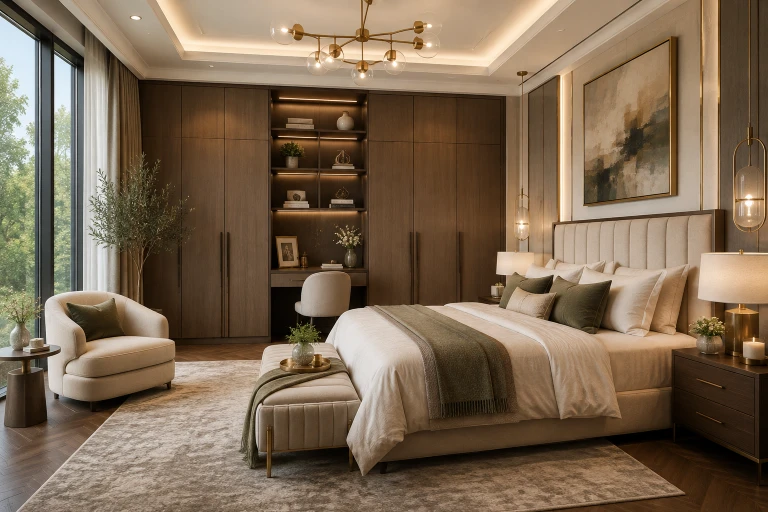
A statement pendant or chandelier can become a focal point, especially when the rest of the room is relatively simple.
Depending on your interior style, consider:
- Sculptural pendant lights
- Fabric drum shades
- Contemporary globe fixtures
- Ribbed or frosted glass pendants
- A restrained chandelier
- Woven shades
- Aged brass fixtures
Scale is important.
A very small fixture can look lost in a large bedroom, while an oversized chandelier may overwhelm a room with a low ceiling.
Consider ceiling height, bed dimensions, and available walking clearance before selecting a fixture.
Light quality matters just as much as the fixture itself. A bedroom usually benefits from comfortable, warm illumination rather than harsh, overly bright light at night.
Where practical, dimmable lighting provides more flexibility because the same fixture can offer brighter illumination when needed and softer light before bedtime.
Electrical work should be completed according to local requirements, with a qualified professional used where necessary.
6. Minimalist Approach

Renovating a bedroom doesn’t have to mean adding more things.
Sometimes removing unnecessary furniture and visual clutter creates the biggest improvement.
Start by looking at how you use the room. Do you really need two dressers? Is the large chair ever used? Are decorative objects taking up surfaces you need every morning?
A practical minimalist bedroom might contain:
- Bed
- One or two bedside tables
- Wardrobe or dresser
- Appropriate lighting
- Rug
- One comfortable chair, if space allows
- A few meaningful decorative pieces
Minimalism doesn’t require an entirely white room or an absence of personality.
Warm wood, linen bedding, artwork, plants, textured rugs, and soft colors can all be included while maintaining a clean appearance.
Storage is especially important here. Everyday necessities need a convenient place to go, otherwise supposedly minimalist surfaces quickly become cluttered.
A room with fewer but better-positioned pieces can also improve circulation around the bed and make cleaning easier.
7. Bold Accent Walls

If painting an entire bedroom in a strong color feels overwhelming, an accent wall provides a more controlled way to introduce personality.
The wall behind the headboard is usually the most natural choice because the bed already acts as the room’s focal point.
Potential accent wall treatments include:
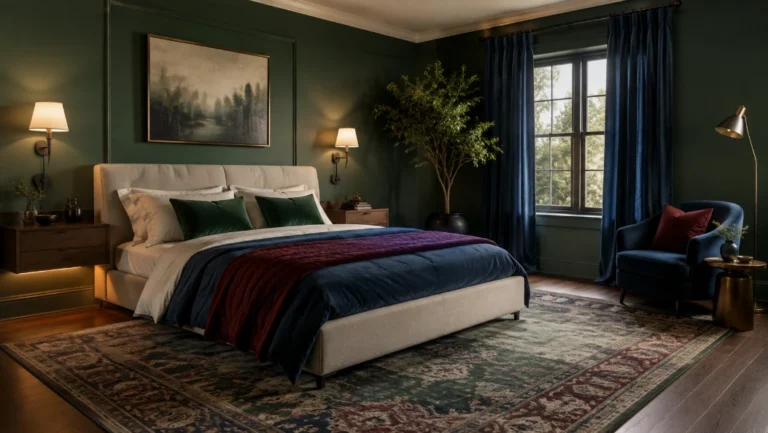
- Muted forest green paint
- Navy or charcoal paint
- Terracotta
- Textured wallpaper
- Botanical wallpaper
- Wood slats
- Decorative panel molding
- Limewash-style finishes
The accent wall should work with the rest of the room rather than competing with it.
For example, a dark green wall can look balanced with cream bedding, medium-tone wood, warm metal details, and a light rug.
If you’re using patterned wallpaper, keep nearby bedding and artwork relatively restrained. Too many competing patterns can make a bedroom feel visually crowded.
Consider the room’s natural light before selecting a very dark color. Darker shades can create a wonderfully intimate atmosphere, but their appearance changes considerably depending on window orientation and lighting.
Budget idea: Paint alone can create an effective focal point. You don’t necessarily need expensive wall panels or custom millwork to make the bed wall stand out.
8. Nature-Inspired Decor

Natural materials can help soften a renovated bedroom and make contemporary furniture feel less clinical.
Wood is one of the easiest materials to incorporate. Oak, walnut, ash, reclaimed timber, and similar finishes can appear on bedside tables, bed frames, benches, shelving, or smaller accessories.
Then introduce additional natural textures through materials such as:
- Linen
- Cotton
- Wool
- Jute
- Cane
- Rattan
- Stone
- Ceramic
Plants can add greenery where growing conditions are appropriate. Instead of filling the bedroom with many small pots, consider one healthy statement plant or a few carefully positioned smaller plants.
Check the actual light conditions before selecting live plants. A species that thrives beside a bright window may struggle in a darker bedroom corner.
Nature-inspired artwork provides another simple option. Botanical illustrations, landscapes, abstract earthy artwork, and photographs can reinforce the theme without requiring major renovation work.
The aim isn’t to make the bedroom look like an indoor garden. A restrained combination of natural colors and tactile materials is usually enough.
9. Vintage Finds

A newly renovated room can sometimes look too coordinated when every piece of furniture comes from the same collection.
Vintage and secondhand pieces can introduce character and variation.
Consider looking for:
- Wooden nightstands
- Small dressers
- Vintage mirrors
- Ceramic lamps
- Framed artwork
- Benches
- Decorative boxes
- Accent chairs
You don’t need to turn the entire room into a vintage interior.
One older wooden dresser paired with a contemporary bed and modern lighting can create an appealing contrast.
Before buying secondhand furniture, check its condition carefully. Drawers should function properly, larger furniture should be stable, and upholstered pieces deserve extra inspection before being brought into the home.
Some wooden pieces can also be refreshed rather than replaced. New hardware, careful refinishing, or an appropriate coat of paint may give an existing dresser or bedside table a completely different appearance.
This can be particularly useful when you’re renovating on a limited budget.
10. Smart Storage Solutions

Storage may not be the most exciting part of bedroom design, but it can have one of the greatest effects on how the finished room functions.
Begin by identifying what actually causes clutter.
Is clothing overflowing from the wardrobe? Are shoes taking over the floor? Do you lack space for spare bedding? Are charging cables covering the bedside table?
Once you know the problem, choose storage specifically for it.
Useful options include:
| Storage Problem | Practical Solution |
|---|---|
| Seasonal bedding | Under-bed drawers or storage bed |
| Small accessories | Drawer organizers |
| Limited wardrobe space | Interior wardrobe organizers |
| Books | Wall-mounted shelves |
| Shoes | Low shoe cabinet or wardrobe racks |
| Extra blankets | Storage bench |
| Small bedroom | Floor-to-ceiling built-in storage |
Built-in wardrobes can make excellent use of awkward walls and alcoves, but freestanding furniture can work just as well when carefully selected.
For a smaller bedroom, consider furniture that performs more than one function. A storage bed, bedside table with drawers, or bench with concealed storage reduces the need for additional furniture.
Also use vertical space intelligently. Shelves and taller wardrobes can increase capacity without taking up much more floor area.
However, avoid placing heavy objects high above the bed, and make
11. Personal Touches

A professionally styled bedroom can still feel impersonal if nothing in it reflects the person who lives there.
Personal details are what turn a renovated room into your room.
You might display:
- Family photographs
- Travel pictures
- Favorite books
- Meaningful artwork
- Handmade objects
- Framed postcards
- Small collections
- Sentimental keepsakes
The key is editing rather than displaying everything you own.
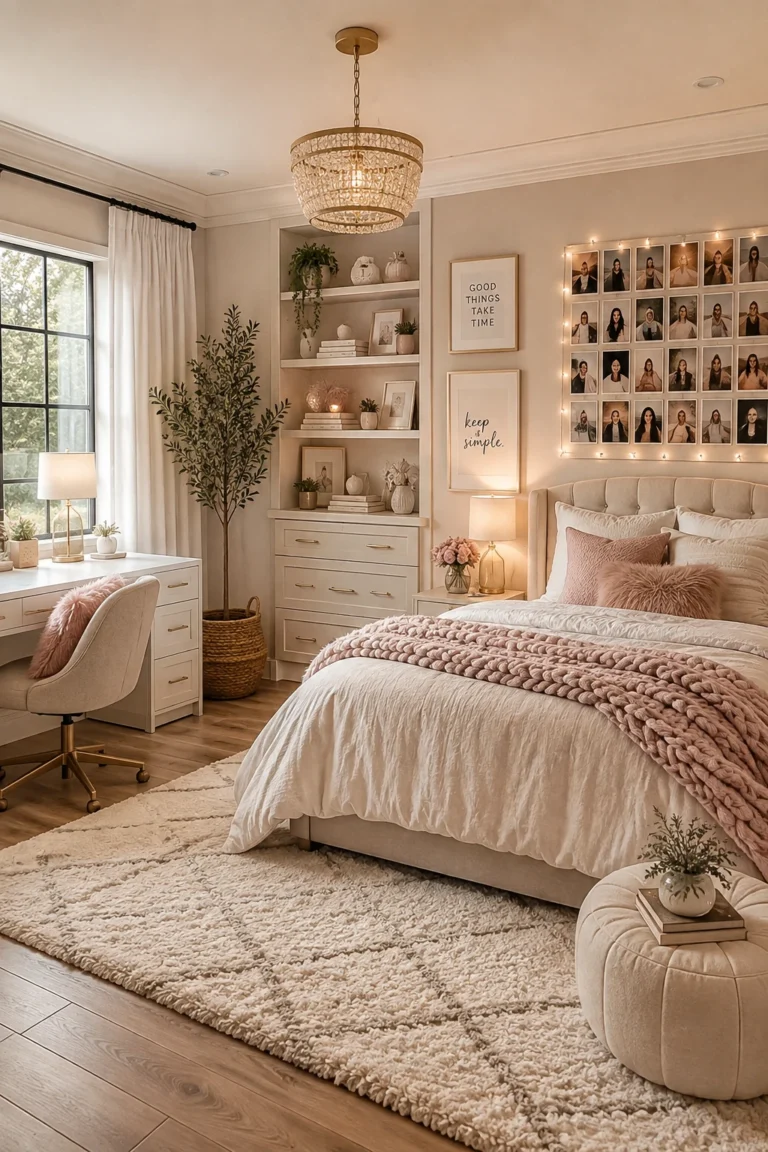
For example, instead of placing ten unrelated photographs across different surfaces, create a small gallery wall using four or five favorites.
A dresser can hold one framed photo, a ceramic dish, and a small vase rather than an assortment of unrelated accessories.
Personalization doesn’t have to mean visible decoration either. Your preferred mattress firmness, blackout curtains, bedside charging setup, reading lamp, and storage arrangement are all personal choices that can make the bedroom work better for you.
Ask yourself: What would make this bedroom more comfortable during an ordinary weekday, not just more attractive in a photograph?
That question often leads to better renovation decisions.
12. Colorful Bedding

If you want more color but don’t want to repaint walls, bedding offers a flexible solution.
Duvet covers, quilts, pillowcases, throws, and cushions can introduce color without becoming permanent features.
Consider shades such as:
- Dusty blue
- Sage green
- Muted terracotta
- Blush
- Olive
- Rust
- Soft mustard
- Burgundy
- Muted navy
Rather than using every colorful piece at once, select one dominant shade and support it with neutrals.
For instance, warm white sheets + dusty blue duvet + beige throw + walnut nightstands creates color while remaining calm enough for a bedroom.
Pattern can work too. Stripes, small florals, subtle geometric designs, or block prints can give plain rooms more personality.
If you choose patterned bedding, repeat one of its colors elsewhere through artwork, a lamp, or a small decorative object. This makes the scheme feel intentional.
Comfort should remain the priority. Consider breathability, washing requirements, climate, and how the fabric feels against the skin rather than choosing bedding solely because it photographs well.
13. Incorporate Technology

Technology can improve a bedroom when it solves a genuine problem. It becomes less helpful when the room fills with screens, wires, blinking lights, and devices you rarely use.
Think about which upgrades would genuinely improve your routine.
Practical options may include:
- Smart bulbs or compatible lighting controls
- Dimmable bedside lighting
- Convenient charging points
- Cable management
- Motorized shades where appropriate
- Smart thermostats or compatible temperature controls
- Speakers for music or audio
- Motion-activated wardrobe lighting
Plan electrical outlets and charging locations early if you’re completing a larger renovation.
For example, outlets positioned close to each bedside table can prevent extension cords from running across the floor. Concealed cable routes can also keep chargers from becoming permanent visual clutter.
Technology should support comfort rather than dominate the bedroom.
It’s also worth thinking carefully before putting a television directly opposite the bed. Some people enjoy having one in the bedroom, while others prefer keeping the space more focused on rest.
Ask yourself another practical question: Will I still use this feature regularly a year from now?
If the answer is uncertain, spending the renovation budget on better lighting, storage, bedding, or furniture may provide greater long-term value.
Conclusion
Successful bedroom renovation ideas don’t depend on having a huge room or an equally huge budget. The most effective renovations improve how the bedroom looks while solving everyday problems.
Start with the elements that have the greatest influence on your room. That might mean repainting dated walls, improving wardrobe storage, replacing uncomfortable bedding, introducing better lighting, or simply rearranging furniture to create more breathing room.
You can then build personality through earthy colors, layered textures, natural materials, vintage pieces, artwork, colorful bedding, and carefully chosen technology.
Most importantly, renovate according to how you actually live. A bedroom should not only look impressive when everything is perfectly styled. It should remain comfortable, functional, and inviting on an ordinary day.
Choose one problem in your bedroom today—whether it’s poor lighting, clutter, lack of color, or unused space—and make that the starting point for your renovation.