Cozy Teen Bedroom Ideas That Create Comfortable Retreats
A teen bedroom has to do much more than provide a place to sleep. It can be a homework zone in the afternoon, a quiet corner after a busy school day, a place to read or listen to music, and a personal space that reflects changing interests.
So, what actually makes a bedroom feel cozy?
It is usually not one expensive piece of furniture or a complete room makeover. Comfort comes from combining several smaller elements: soft fabrics, warm lighting, inviting colors, useful furniture, meaningful decorations, and enough organization to keep the room comfortable rather than crowded.
The best cozy teen bedroom also feels personal. One teenager may love a warm neutral room with wood furniture and cream bedding, while another may prefer muted pink, sage green, dusty blue, or a darker, moodier palette.
The following ideas focus on practical ways to create a comfortable retreat while still keeping the bedroom functional for everyday teenage life.
1. Layer Soft Textiles for a Cozy Teen Bedroom

Soft materials are one of the quickest ways to change how a bedroom feels. A bed with only a sheet and a thin comforter may look clean, but it can lack the inviting quality associated with a cozy room.
Instead, build comfort through several textile layers.
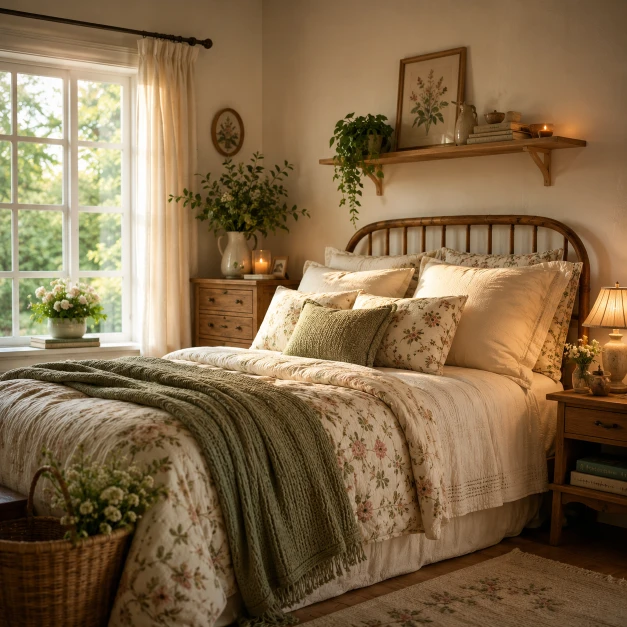
Start with comfortable bedding, then add a lightweight quilt, knitted throw, or soft blanket. A few cushions can introduce extra texture without covering the entire bed.
Consider combining materials such as:
- Washed cotton bedding
- Linen pillowcases
- Bouclé cushions
- Knitted blankets
- Quilted bedspreads
- Soft fleece or faux-fur accents
The goal is not to pile every available fabric onto the bed. Too many decorative pillows and blankets can become annoying when they have to be moved every night.
A better approach is to use a small number of noticeably different textures. For example, smooth cotton sheets, a quilted duvet, and one chunky knit throw create visual depth while remaining practical.
Textiles can also appear elsewhere in the room. Curtains, upholstered seating, a fabric lampshade, or a soft rug can make hard surfaces feel less dominant.
For an affordable update, changing the throw blanket and two cushion covers may be enough to give an existing bedroom a warmer appearance without replacing the furniture.
2. Add Warm String Lights to a Cozy Teen Bedroom

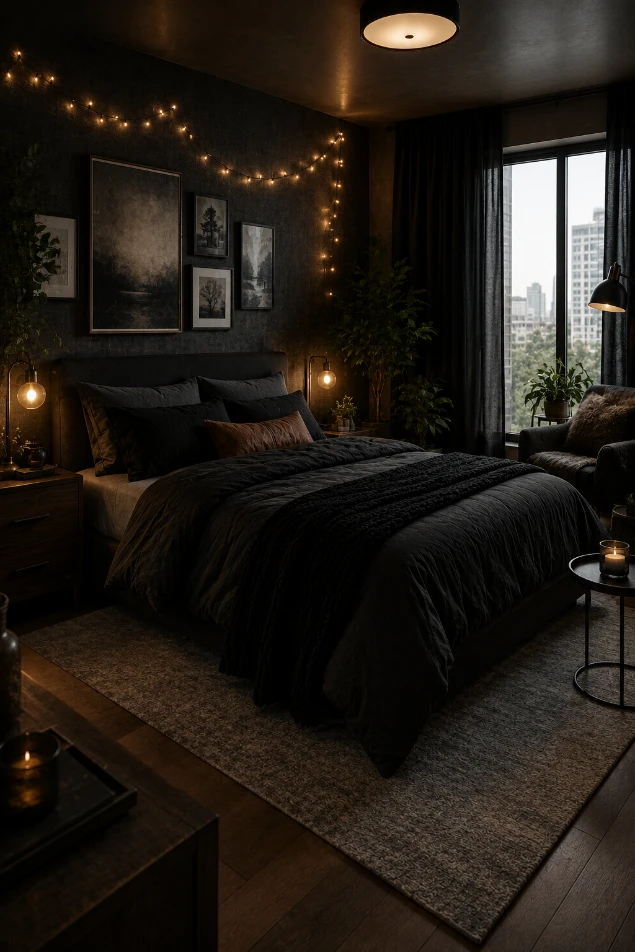
Lighting has a major effect on bedroom atmosphere. Bright ceiling lights are useful when cleaning, organizing clothes, or looking for something, but they can feel too intense when the goal is to relax.
String lights can provide a softer secondary layer of illumination.
They may work particularly well around a photo display, along a suitable wall area, or around a decorative feature. The effect should be subtle rather than turning every wall into a glowing display.
Choose warm-white lighting if you want the room to have a softer appearance. Cooler white light can be useful for certain tasks, but warm light generally complements wood, beige, cream, muted pink, terracotta, and other cozy colors.
Safety matters as much as appearance. Use lights intended for indoor household use, follow the manufacturer’s installation instructions, and keep electrical products away from bedding or other materials when the manufacturer requires clearance.
String lights should also complement rather than replace practical lighting.
A comfortable teen bedroom usually benefits from several sources:
- A main ceiling light for general illumination
- A desk or task lamp for homework
- A bedside light for reading
- Decorative lighting for softer evening ambiance
This layered approach allows the lighting to change according to what the room is being used for.
3. Use a Plush Area Rug to Make a Teen Bedroom Feel Cozy

A bedroom with tile, laminate, or wood flooring can sometimes feel visually hard, particularly when most of the furniture also has smooth surfaces.
A well-sized rug helps soften that effect.
Placing a rug partly beneath the bed can visually anchor the sleeping area while providing a comfortable surface beside the bed. In a smaller room, a compact rug beside the bed or near a reading chair may be more practical.
Look for colors that connect with the existing palette rather than competing with it. Cream, oatmeal, taupe, warm gray, muted rose, sage, and subtle patterns are versatile choices.
Texture also makes a difference. A thicker rug can create an especially comfortable appearance, although practicality should come first. Choose a material that can be cleaned and maintained appropriately for the room.
The rug size is important as well.
A very small rug placed randomly in the center of the floor may make the layout look disconnected. Ideally, its placement should relate to a major piece of furniture, such as the bed, desk, or reading chair.
If the bedroom already contains patterned bedding or wallpaper, a simpler rug can provide balance. If the rest of the room is minimal, the rug can introduce more texture or a gentle pattern.
4. Create a Reading Nook in a Cozy Teen Bedroom

Not every part of a teen bedroom needs to revolve around the bed or study desk. A small reading nook can provide another comfortable place to sit, relax, journal, or spend quiet time.
You do not need a huge bedroom to create one.
An unused corner near a window is often a good starting point. Depending on the available space, add a compact upholstered chair, a small floor cushion, or a window bench.
Then include only the essentials.
A simple reading nook might have a comfortable chair, one cushion, a warm throw, a small side table, and a reading lamp. A narrow bookshelf or wall-mounted shelf can keep favorite books close without taking up much floor space.
In a very small cozy teen bedroom, consider using an existing window ledge or built-in bench rather than adding another large chair.
Think about how the corner will actually be used. Does it need a place for books? Is there enough light for reading? Can someone sit there comfortably without blocking a wardrobe or walkway?
A beautiful nook that interferes with everyday movement quickly becomes frustrating. Comfort and function should work together.
5. Choose a Warm Neutral Palette for a Cozy Teen Bedroom
Color can change the mood of a room before any decorations are added.

Warm neutrals are particularly useful because they create a calm foundation while leaving plenty of room for personality. Instead of relying only on bright white, consider warmer shades such as ivory, creamy white, oatmeal, sand, beige, mushroom, or soft greige.
These colors do not have to make the bedroom boring.
For example, imagine creamy walls paired with a light oak bed, oatmeal bedding, a caramel throw, and muted sage cushions. The palette remains quiet, but differences in texture and tone keep the room visually interesting.
A teen can also introduce a favorite color through smaller pieces.
Muted lavender, dusty rose, sage green, terracotta, soft blue, or burgundy can work as accents depending on the desired style.
Before repainting the entire room, test paint samples on different walls. Natural and artificial lighting can make the same color appear warmer, cooler, lighter, or darker throughout the day.
This is especially useful when choosing whites and greiges because their undertones may become much more noticeable once they cover a large wall.
6. Add Blackout Curtains for a Private and Cozy Teen Bedroom

Curtains have both a practical and decorative role.
Full-length fabric curtains can soften the appearance of windows and introduce another textile layer, while blackout curtains or suitable blackout linings can reduce incoming light when needed.
This can be useful in bedrooms that receive strong early-morning sunlight or exterior light at night.
For a cozy appearance, choose curtains that coordinate with the wall and bedding rather than creating an unnecessary contrast. Warm white, oatmeal, taupe, muted green, dusty pink, and soft gray can all work depending on the room’s palette.
The way curtains are installed can affect the overall appearance too.
Where appropriate for the window and hardware, positioning the curtain rod higher can visually emphasize the room’s height. Curtains should still be correctly sized so they do not create an excessive pile of fabric on the floor.
For more flexibility, consider combining a light-filtering layer with blackout curtains. During the day, the lighter treatment can provide some privacy while allowing daylight into the room. At night, the heavier curtains can be closed.
This combination keeps the room adaptable rather than permanently dark.
7. Use Low Ambient Lighting in a Cozy Teen Bedroom

A cozy room becomes much more flexible when all its light does not come from the ceiling.
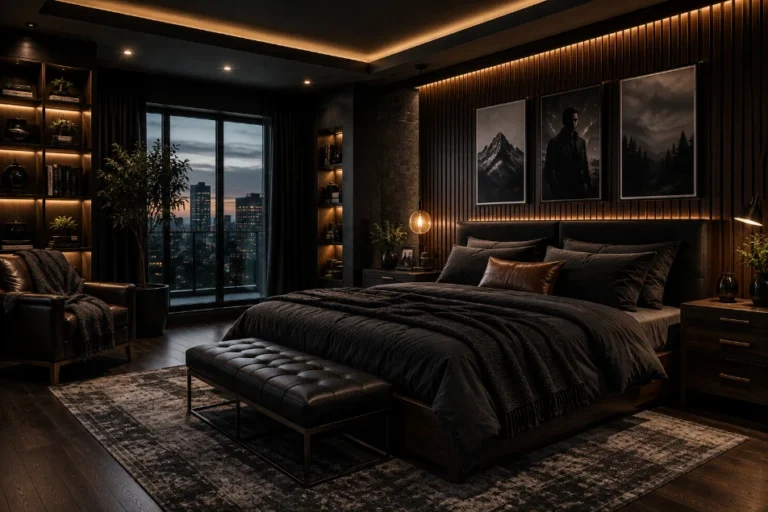
Low-level lighting can create small pools of warm illumination around the bedroom. A compact floor lamp beside a reading chair, a bedside lamp, or a low lamp placed safely on a suitable piece of furniture can make the room feel more relaxed in the evening.
Placement is more important than quantity.
Rather than filling the bedroom with numerous decorative lamps, identify the areas where light is actually needed. The desk needs focused task lighting, the bed may need a reading lamp, and a seating corner may benefit from softer ambient illumination.
A useful setup could include three lighting levels:
- Bright general lighting for cleaning and getting ready.
- Focused task lighting for studying and reading.
- Soft ambient lighting for relaxing.
Bulb appearance matters as well. Warm-white light usually creates a softer atmosphere than very cool white illumination.
For bedside use, a dimmable lamp can be especially practical because the brightness can be adjusted rather than having only a harsh on-or-off option.
8. Design a Personal Photo Wall for a Cozy Teen Bedroom

A teenager’s room should not look like a generic furniture showroom.
Personal photographs, artwork, postcards, concert memories, travel pictures, certificates, and other meaningful items can turn a stylish room into a genuinely personal space.
A photo wall is one simple way to display those memories.
Instead of attaching pictures randomly across an entire wall, create a defined arrangement. This could be a small gallery above a desk, a grid of photographs beside the bed, or a pinboard containing a mixture of pictures and notes.
Another option is to use matching or coordinating frames. This gives different photographs a common visual structure and makes the display easier to update over time.
For renters or rooms where permanent wall changes are not suitable, use display methods appropriate for the wall surface and follow the product instructions to reduce the chance of damage.
Leave some empty space around the collection too.
A memory wall becomes easier to appreciate when individual pieces have breathing room. Covering every available surface can make even meaningful objects feel like clutter.
The best display can also evolve. Teen interests change, so create a setup where photos and artwork can be replaced without redesigning the whole bedroom.
9. Choose a Soft Upholstered Headboard for a Cozy Teen Bedroom

Because the bed is usually the largest piece of furniture in a bedroom, changing its appearance can influence the entire room.
An upholstered headboard introduces softness at eye level and can make the sleeping area feel more inviting.
Fabric choices such as linen-look upholstery, velvet, or bouclé can work with different styles. A simple rectangular headboard suits modern rooms, while a gently curved design can create a softer look.
Color should connect with the overall palette.
For example, an oatmeal headboard can work beautifully with warm-white bedding and walnut furniture. Muted sage can add gentle color to a neutral room, while dusty pink or soft lavender may suit a more colorful scheme.
An upholstered headboard can also make sitting up in bed more comfortable, particularly for teens who like to read there.
However, select furniture for practical qualities as well as appearance. Check the manufacturer’s care instructions, construction, dimensions, and installation requirements before purchasing.
If replacing the entire bed is outside the budget, upgrading only the headboard can sometimes produce a noticeable visual change for much less than a full furniture makeover.
10. Use Gentle Scents Carefully in a Cozy Teen Bedroom

Scent can contribute to how a bedroom feels, but it should remain subtle.
A clean, well-ventilated room is the best foundation. Fragrance should never be used simply to cover musty bedding, dampness, dirty laundry, or another source of odor.
Start with basic habits such as opening windows when appropriate, washing bedding regularly, emptying bins, and keeping worn clothes organized.
If fragrance is wanted, choose a mild option intended for normal household use and follow its directions carefully. Some people are sensitive to fragrances, so stronger is not necessarily better.
It is also sensible to avoid turning the bedroom into a mixture of competing scents.
A single gentle fragrance can be enough.
For teenagers, fragrance choices should be discussed with a parent or guardian, particularly when using scented electrical products or other items that require specific safety precautions.
The aim is simply to make the space pleasant and fresh while keeping safety and comfort first.
11. Bring Natural Wood Accents Into a Cozy Teen Bedroom

Natural wood is an effective way to add visual warmth, especially in rooms dominated by white, cream, gray, or other neutral colors.
You do not need matching wooden furniture throughout the room.
A light oak bedside table, walnut desk, wooden picture frames, small wall shelf, or simple storage bench can introduce enough natural texture to change the overall feeling.
Different wood tones create different effects.
Light oak and similar pale woods tend to suit airy Scandinavian-inspired bedrooms. Medium and darker walnut tones can create a richer look, particularly when combined with cream textiles and warm lighting.
Try not to mix too many unrelated finishes in one small room. Two complementary wood tones are often easier to coordinate than several noticeably different finishes.
Wood also works particularly well alongside softer materials.
For example, a wooden bed frame can be balanced with an upholstered bench, layered bedding, curtains, and a textured rug. The contrast between firm natural surfaces and soft fabrics prevents the design from feeling flat.
You can introduce this effect gradually too. Replacing plastic storage with a wooden or woven alternative, adding timber frames to a photo wall, or installing a simple wooden shelf can provide warmth without requiring new bedroom furniture.
Creating a Comfortable Cozy Teen Bedroom
A successful cozy teen bedroom is not about filling every corner with blankets, lights, cushions, and decorations. It is about creating the right balance between comfort, personality, and everyday function.
Start with the elements that will make the biggest difference in the existing room. If it feels visually cold, introduce warmer colors and natural wood. If it feels harsh at night, improve the lighting. If the room feels plain, add textiles and a few personal details. If it already feels crowded, organize first rather than buying more décor.
Most importantly, involve the teenager in the decisions.
Their favorite colors, hobbies, photographs, artwork, preferred lighting, and daily routines should influence the final design. A bedroom can look beautiful in photographs, but it will only become a comfortable retreat when it works for the person who actually uses it.
You also do not have to complete everything at once. Begin with one practical improvement—perhaps softer bedding, a bedside lamp, or a small reading corner—and build the room gradually.
The result can be a warm, functional, and personal cozy teen bedroom that remains comfortable as tastes and needs change.
Frequently Asked Questions About Cozy Teen Bedroom Ideas
What Colors Make a Cozy Teen Bedroom Feel Warm and Relaxing?
Warm neutrals are an easy starting point for a cozy teen bedroom. Cream, warm white, beige, oatmeal, soft taupe, and greige can create a calm background without making the room feel plain.
For more personality, add muted shades such as sage green, dusty pink, lavender, terracotta, or soft blue through bedding, cushions, artwork, and curtains. Instead of using many strong colors together, choose two or three shades that work comfortably with the main neutral tone.
Remember that lighting can change how paint looks throughout the day. Testing a few color samples before painting the entire room can help you find a shade that feels comfortable in both daylight and evening lighting.
How Can You Make a Cozy Teen Bedroom on a Small Budget?
You do not need new furniture or a complete renovation to make a teen bedroom feel more comfortable. Start by working with what is already in the room and focus on small changes that have a noticeable visual impact.
Affordable updates can include:
- Changing cushion covers or adding a soft throw
- Rearranging furniture to improve the layout
- Creating a small photo or artwork display
- Adding a bedside or desk lamp with warm light
- Updating bedding with coordinating colors
- Using baskets or boxes to organize visible clutter
- Adding a small rug beside the bed
- Repurposing existing furniture where practical
Prioritize comfort before decoration. For example, improving bedding or lighting will usually have a greater effect on everyday use than buying several small decorative objects.
Making changes gradually also gives a teen time to decide what they genuinely like instead of spending money on a trend that may quickly lose its appeal.
What Type of Lighting Is Best for a Cozy Teen Bedroom?
A combination of different light sources works better than relying on one bright ceiling fixture.
The main ceiling light can provide general illumination, while a desk lamp offers focused light for homework and reading. A bedside lamp, floor lamp, or another suitable low-level light can provide a softer atmosphere later in the day.
Warm-white lighting often complements cozy bedroom colors particularly well because it works naturally with cream textiles, wood furniture, beige tones, and muted accent colors.
Placement matters too. Put task lighting where focused visibility is needed and softer lighting around relaxation areas. This allows the same bedroom to work for studying, getting ready, reading, and resting without requiring the same brightness for every activity.
Create a Cozy Teen Bedroom That Feels Truly Personal
The most inviting cozy teen bedroom is not necessarily the room with the most expensive furniture or the latest décor. It is a space that feels comfortable, useful, and personal to the teenager who lives there.
Start with the basics: comfortable bedding, practical lighting, an organized layout, and colors that make the room pleasant to spend time in. Then introduce personality through photographs, artwork, favorite colors, books, textiles, and meaningful decorations.
Try making one or two changes first instead of redesigning everything at once. A softer throw, warmer bedside lighting, or a small reading corner can already make a noticeable difference.
Most importantly, allow the room to change over time. Teenagers’ interests and needs naturally evolve, so flexible décor and easily updated accessories can help the bedroom grow with them.
When comfort, function, and individual style come together, a cozy teen bedroom becomes more than a place to sleep—it becomes a welcoming everyday retreat.