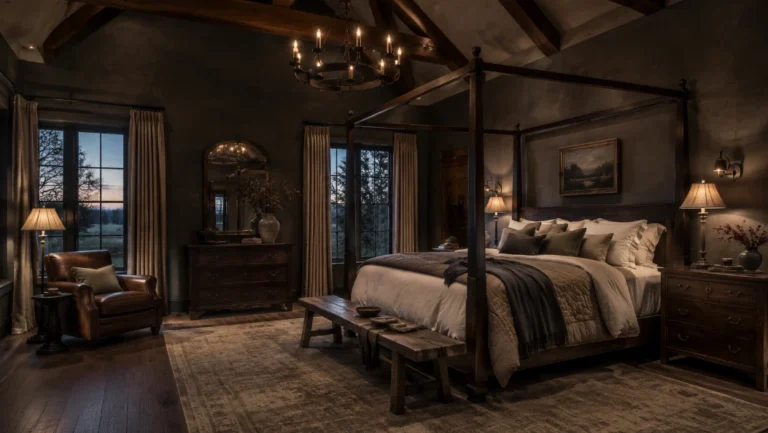
Stunning Dark Green Moody Bedroom Inspirations to Transform Your Space
SEO Title: 13 Dark Green Moody Bedroom Ideas for a Cozy Space
Meta Description: Create a stylish dark green moody bedroom with rich colors, warm lighting, natural textures, elegant furniture, and cozy design ideas.
Keywords: Dark Green Moody Bedroom, dark green bedroom ideas, moody bedroom ideas, dark green walls, green bedroom decor, moody green bedroom, cozy dark green bedroom, dark green bedroom design, forest green bedroom, emerald green bedroom
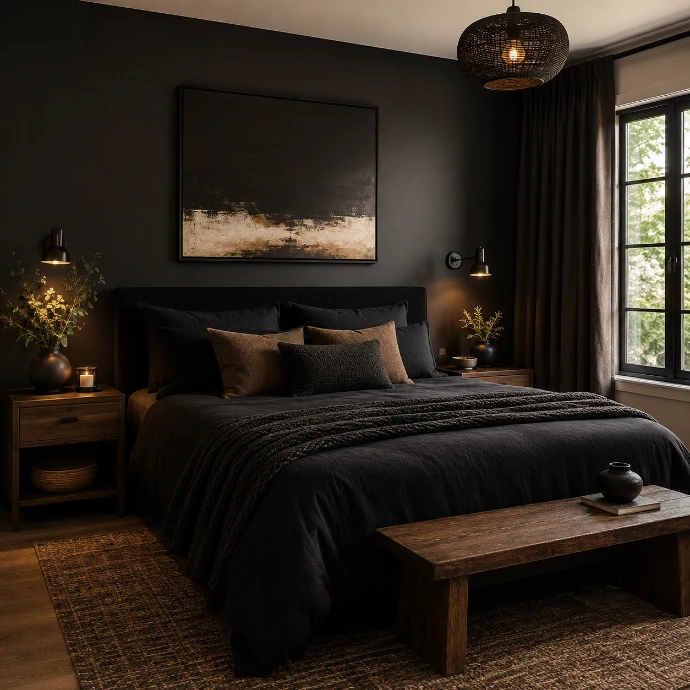
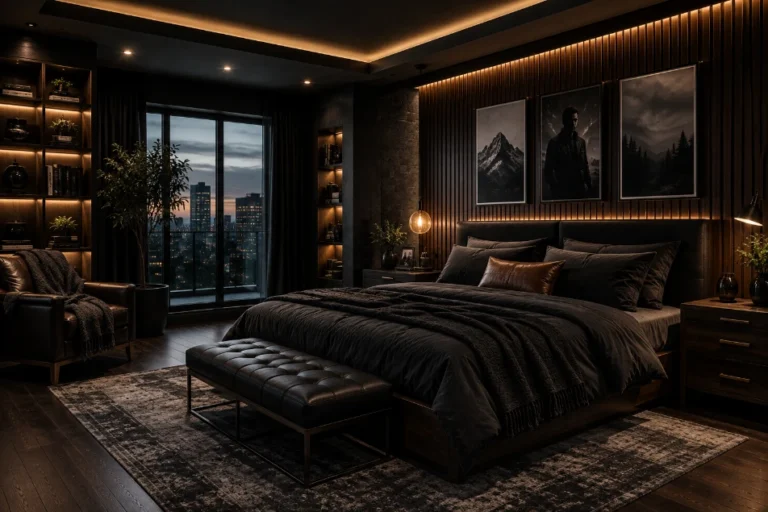
A dark green moody bedroom can feel dramatic without becoming gloomy. The right shade of green, paired with warm lighting, comfortable fabrics, and natural materials, can turn an ordinary bedroom into a calm and character-filled retreat.
Dark green is especially useful because it sits comfortably between bold and timeless. Forest green can make a room feel grounded, olive brings warmth, while emerald creates a richer and more polished appearance.
The key is balance. Instead of filling every surface with dark colors, give the eye lighter materials, warm wood, soft textiles, and carefully placed lighting. Here are 13 practical ways to create a dark green bedroom that feels cozy, sophisticated, and comfortable enough for everyday life.
1. Create a Serene Sanctuary

A peaceful bedroom does not necessarily need pale walls. Dark green can create an intimate atmosphere that feels separated from the busier parts of your home.
Start with a muted forest, pine, or deep sage green on the walls. These softer greens tend to feel calmer than highly saturated jewel tones.
Then bring in lighter elements around the bed. A simple combination might be:
- Forest green walls
- Warm white bedding
- Natural oak nightstands
- Beige or oatmeal curtains
- A soft wool rug
- Warm bedside lamps
Keeping the bedding relatively light prevents the darker walls from visually overpowering the room.
Natural materials are particularly effective here. Linen bedding, wooden furniture, woven baskets, and ceramic lamps introduce subtle variation without disturbing the peaceful color palette.
If you want an especially restful result, keep decorative accessories limited. A few carefully chosen pieces often have more impact than shelves filled with small objects.
Practical tip: Before painting the entire bedroom, test your chosen green on two or three walls. Dark paint can appear very different beside a sunny window than it does in a shaded corner.
2. Add a Glamorous Look

Dark green also works beautifully in bedrooms that lean toward a more glamorous style.
For this approach, choose a richer green such as emerald, bottle green, or a dark jewel-toned forest shade. Pair it with materials that subtly reflect light.
Brass is one of the easiest finishes to combine with dark green. Consider using it on bedside lamps, drawer handles, mirror frames, or a statement ceiling fixture.
You could pair an emerald accent wall with an upholstered cream bed, brass sconces, walnut nightstands, and an ivory rug.
Velvet can add another layer of luxury, but use it selectively. A velvet headboard or bench is usually enough. Combining velvet bedding, curtains, cushions, and furniture can make the space feel overly coordinated.
Stone surfaces can also add sophistication. A small marble-top bedside table or travertine accessory provides contrast against saturated green walls.
The result should feel polished rather than flashy.
3. Build a Dreamy Aesthetic with Layered Textures
Color creates the initial mood, but texture is what makes a dark bedroom feel comfortable.
Imagine walking into a bedroom with dark olive walls, soft linen bedding, a thick wool rug, sheer curtains, and a warm wooden bed. Even with a limited color palette, the different surfaces give the room depth and personality.
Try combining several materials such as:
- Washed cotton
- Linen
- Wool
- Bouclé
- Velvet
- Natural timber
- Cane or rattan
- Woven fibers
You do not need to use every material at once.
For example, cream cotton sheets, an oatmeal linen duvet, two olive velvet cushions, and a wool throw can provide plenty of variation.
Keep patterns controlled if the walls already make a strong statement. One botanical cushion, vintage-style rug, or patterned throw can provide visual interest without making the bedroom feel busy.
Ask yourself: Does the room feel comfortable enough to actually sleep in, or does it feel overly styled?
That simple question can help you decide when you have added enough.
4. Design a Cozy and Sophisticated Retreat
A cozy bedroom needs more than dark paint.

Comfort usually comes from the combination of color, lighting, textiles, furniture placement, and personal details.
Start with the bed because it is generally the largest visual element in the room. Choose comfortable bedding in cream, oatmeal, beige, muted taupe, or another warm neutral.
Then layer darker accents over the neutral base.
For example:
Cream bedding + forest green throw + walnut bed + taupe rug + antique brass lamps
This keeps the room connected to the dark green palette without making every element equally dark.
A comfortable chair can also make a larger bedroom feel more inviting. Place a compact upholstered chair near a window with a floor lamp and small side table to create a simple reading area.
If the bedroom is small, skip additional furniture and concentrate on making the bed area comfortable instead.
Warm lighting is particularly important at night. Rather than depending on one bright ceiling light, use bedside lamps, wall sconces, or a floor lamp to create smaller pools of light.
5. Give the Bedroom a Chic and Trendy Look

If you prefer contemporary interiors, dark green can look surprisingly modern when paired with simple shapes.
Choose streamlined furniture rather than heavily carved or ornate pieces. A low-profile upholstered bed, floating nightstands, simple pendant lights, and clean-lined storage can keep the room feeling current.
Matte finishes also work well with dark green.
Consider a palette such as:
- Deep olive walls
- Light oak furniture
- Cream upholstery
- Black metal details
- Off-white bedding
Black accents can sharpen the room, but they should usually remain secondary. Black curtain rods, lamp bases, or slim furniture frames are often enough.
Curved furniture can soften all those clean lines. A rounded bedside table, arched mirror, curved headboard, or small bouclé chair adds shape without introducing another strong color.
Try not to fill the room with every current interior trend. Choose one or two contemporary details and allow the dark green backdrop to provide most of the personality.
6. Choose the Right Green Shades for a Moody Vibe
Not every dark green creates the same atmosphere.

The undertone matters almost as much as the depth of the color.
| Green Shade | Overall Feeling | Works Well With |
|---|---|---|
| Forest green | Natural and cozy | Oak, cream, beige |
| Emerald green | Rich and elegant | Brass, velvet, ivory |
| Dark olive | Warm and earthy | Walnut, tan, linen |
| Pine green | Calm and grounded | Warm white, wood |
| Blue-green | Cool and dramatic | Gray, black, brass |
| Deep sage | Soft and muted | Oatmeal, oak, off-white |
Consider the bedroom’s natural light before committing to a shade.
A north-facing bedroom may make cool green paint appear colder and grayer. A green with warmer olive undertones can be more forgiving in that situation.
Rooms receiving strong warm sunlight can often handle cooler forest or blue-green shades more comfortably.
Paint samples are important. View them in the morning, afternoon, and evening before making your final choice.
7. Create a Calm Retreat with Warm Neutrals
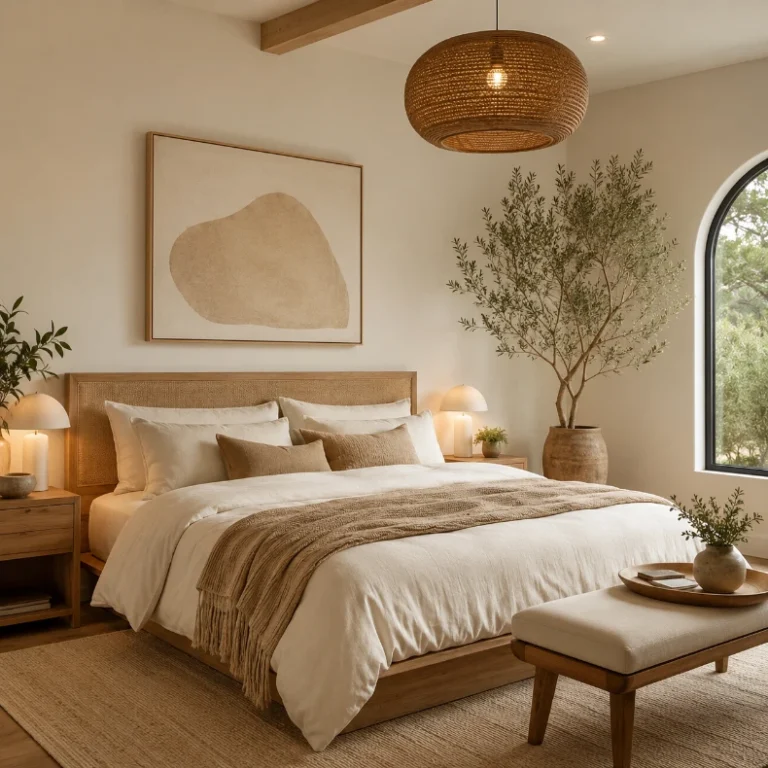
One of the safest ways to balance a dark green moody bedroom is to introduce warm neutrals.
Cream, ivory, beige, oatmeal, mushroom, and warm taupe can soften saturated walls without removing their character.
Instead of using pure bright white everywhere, try slightly warmer whites. They generally sit more naturally beside earthy greens.
You could use dark green behind the bed while keeping the remaining walls warm white. Add beige curtains, cream bedding, a natural rug, and medium-toned wooden furniture.
This approach is particularly helpful if you like moody bedrooms but worry about making the space feel too dark.
Neutrals also make future decorating easier. You can change cushions, artwork, throws, or accessories without replacing your major furniture pieces.
For an immediate update, simply replace cool gray accessories with warmer cream or taupe alternatives and see how much softer the green feels.
8. Try Modern Dark Green Bedroom Inspirations

A modern dark green bedroom does not require complicated decorating.
In fact, fewer carefully selected pieces can make the color look more intentional.
Start with a strong architectural focal point. This might be a dark green headboard wall, painted wall paneling, or simple floor-to-ceiling curtains.
Then keep your furniture relatively restrained.
A modern layout could include a walnut platform bed, two compact nightstands, minimalist sconces, neutral bedding, and one oversized piece of artwork.
Wall paneling can be particularly effective with dark green. Simple rectangular molding or vertical slats introduce shadow and dimension while maintaining a limited color palette.
If you rent or do not want a permanent change, create the effect through textiles instead. Dark green curtains, an upholstered headboard, a large rug, or bedding can introduce the color without painting.
9. Make the Most of Natural Lighting

Dark paint absorbs more light than pale paint, so understanding your windows can make a significant difference.
Avoid automatically covering a small bedroom window with heavy dark curtains. Where privacy allows, lightweight linen or sheer curtains can soften incoming daylight without blocking too much of it.
For bedrooms that require blackout curtains, consider layering them with sheers. Open the heavier panels during the day and close them when you need privacy or darkness.
Mirrors can also help distribute available light. Position a large mirror where it can reflect daylight into the room rather than placing it in the darkest corner simply for decoration.
Reflective surfaces should remain subtle. A brass lamp, glass accessory, or small polished stone table can catch light without turning the bedroom into a highly reflective space.
And remember that a moody room does not have to be dark at every hour of the day. Natural daylight can reveal the complexity of green paint, while evening lighting creates the more intimate atmosphere.
10. Create a Stunning Design with an Accent Wall

If painting the entire bedroom dark green feels intimidating, begin with one wall.
The wall behind the headboard is usually the most natural choice because it already functions as a visual focal point.
Choose a rich forest or olive green and keep adjacent walls cream, warm white, or pale beige.
Then repeat the green once or twice elsewhere through a throw, artwork, rug detail, or cushion. This makes the accent wall feel connected to the rest of the bedroom.
For additional architectural character, consider:
- Board-and-batten
- Simple wall molding
- Vertical wood slats
- Painted paneling
- A subtle botanical wallpaper
Avoid combining too many treatments on the same wall. Dark green paint plus complicated molding, oversized artwork, multiple shelves, and numerous accessories can quickly compete for attention.
Allow one feature to be the star.
11. Build a Moody Oasis with Natural Wood
Wood and dark green are a natural combination because both colors are closely associated with outdoor landscapes.
The important part is choosing a wood tone that complements your particular green.
Walnut adds richness and works beautifully with forest and emerald shades. Light oak provides stronger contrast and can make a dark bedroom feel brighter. Medium warm woods pair especially well with olive green.
There is no requirement for every wooden item to match perfectly.
For instance, a walnut bed can sit comfortably beside medium-oak nightstands when both have warm undertones.
You can introduce wood through:
- Bed frames
- Nightstands
- Dressers
- Benches
- Picture frames
- Wall paneling
- Floating shelves
If several large pieces of furniture are dark wood, add lighter bedding and rugs to prevent the lower half of the room from becoming visually heavy.
Plants can reinforce the natural theme, but they are optional. One healthy plant suited to the bedroom’s actual light conditions is more practical than filling a dark room with greenery that cannot thrive there.
12. Pick a Gorgeous Wall Color Without Making the Room Feel Small
A common concern with dark green walls is that they will make a bedroom look smaller.
They can make boundaries feel less visually prominent, but that is not necessarily a disadvantage. In a bedroom, the resulting enclosed feeling can actually seem cozy.
If your room is small, consider painting the walls dark green while keeping the ceiling lighter. Light bedding, curtains, and rugs can provide contrast.
Another approach is color drenching, where walls, trim, and sometimes the ceiling use the same or closely related shades.
This can create a striking cocoon-like appearance, but it works best when you intentionally want a strongly moody result.
If you are uncertain, start more conservatively.
Paint the headboard wall first and live with it for several days. You can always extend the color to the remaining walls later.
Lighting should also influence your decision. A small room with a generous window can sometimes carry dark paint more easily than a larger bedroom with very little daylight.
13. Create an Elegant, Luxurious Look
Luxury does not come from filling a bedroom with expensive-looking accessories.
A more convincing approach is to concentrate on proportion, materials, lighting, and a few well-made focal pieces.
Start with the bed.
An upholstered headboard in cream, taupe, olive, or muted green can provide a strong foundation. Add breathable bedding with a few carefully selected layers rather than an excessive number of decorative pillows.
A large rug beneath the bed can make the entire arrangement feel more finished. Ideally, it should extend far enough beyond the sides of the bed to be visible and comfortable underfoot.
Next, upgrade the lighting.
Matching wall sconces, substantial bedside lamps, or a sculptural pendant can give the bedroom a more considered appearance.
Add small metallic details through aged brass, bronze, or brushed gold rather than covering the room in shiny finishes.
Artwork is another opportunity to make the space feel personal. One large landscape, abstract piece, or botanical print often looks more sophisticated above a bed than a collection of small unrelated decorations.
Finish with curtains that reach close to the floor. Hanging them higher than the top of the window can visually emphasize the room’s height.
The goal is not to make every object look expensive. It is to create a bedroom where materials, colors, scale, and lighting feel intentionally connected.
Frequently Asked Questions
Is dark green a good color for a bedroom?
Yes. Dark green can work particularly well in bedrooms because it creates a grounded, intimate atmosphere. Forest, olive, pine, and muted green shades can feel calming when balanced with comfortable textiles and appropriate lighting.
What colors go with a dark green moody bedroom?
Warm white, cream, beige, oatmeal, taupe, brown, black, and natural wood tones are reliable options. Brass and bronze can also work well as small accent finishes.
How can I stop dark green walls from making my bedroom too dark?
Use lighter bedding, rugs, and curtains while making the most of natural daylight. Layer several artificial light sources rather than relying only on one ceiling fixture.
What bedding looks best with dark green walls?
Cream, ivory, oatmeal, beige, warm gray, and muted earthy shades are easy choices. If you want more color, dusty rose, rust, muted mustard, or soft terracotta can provide contrast.
Does dark green work in a small bedroom?
Yes. A small bedroom can still use dark green successfully. Try an accent wall first, keep larger textiles relatively light, and avoid filling the room with bulky dark furniture.
What wood looks good with dark green?
Walnut creates a rich, sophisticated combination, while oak can provide a lighter and more relaxed appearance. Warm medium-toned woods are particularly versatile with forest and olive greens.
How do you make a dark green bedroom look expensive?
Focus on a few substantial details rather than lots of decoration. Full-length curtains, layered bedding, a properly sized rug, attractive lighting, natural wood, quality-looking hardware, and carefully selected artwork can all improve the overall appearance.
Conclusion
A dark green moody bedroom works best when darkness and warmth are carefully balanced. Green walls can provide the dramatic foundation, while cream bedding, natural wood, tactile fabrics, warm lighting, and restrained metallic accents keep the space comfortable.
You also do not have to redesign the entire bedroom at once. Start with one change—perhaps a forest green accent wall, dark green curtains, or new bedding—and build the rest of the palette around it.
Most importantly, consider how the bedroom feels in real life. The best design is not simply the one that photographs beautifully; it should also provide a comfortable, practical place where you genuinely enjoy ending the day.