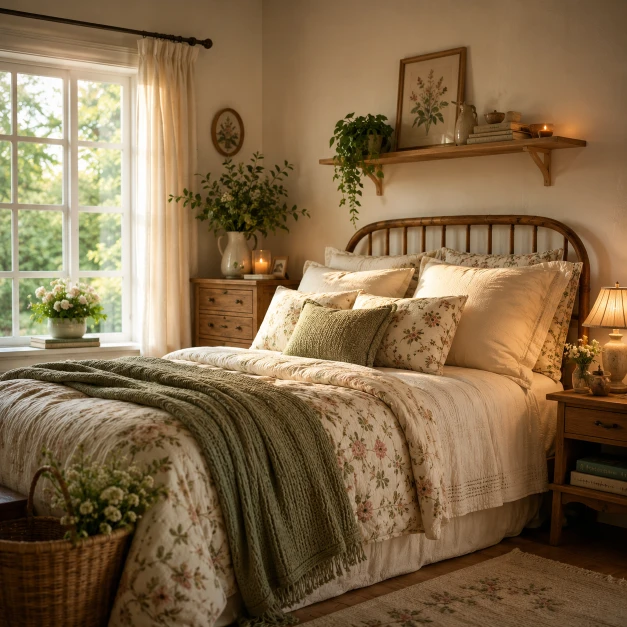
Moody Brown Bedroom Ideas That Feel Cozy, Not Dated
A brown bedroom can feel incredibly warm and inviting, but there is a fine line between cozy and dated. Too much heavy brown furniture, poor lighting, or flat matching finishes can quickly make the room feel older than it really is.
A modern moody brown bedroom takes a different approach. Think chocolate walls paired with creamy bedding, walnut furniture beside soft linen, warm lighting across textured surfaces, and small touches of rust, brass, or greenery.
The result is a bedroom that feels grounded and intimate without becoming gloomy. If you want the richness of a darker interior while still keeping the room comfortable and current, these ideas are a practical place to start.
Why a Moody Brown Bedroom Feels Modern and Cozy
Brown has returned to bedrooms because it offers something cooler neutrals often struggle to provide: natural warmth.
Chocolate, espresso, walnut, cocoa, caramel, and mushroom tones can make a bedroom feel sheltered and relaxing. These colors also connect naturally with materials already common in bedrooms, including wood, leather, linen, wool, and woven fibers.
The key is not simply painting everything brown. A successful moody bedroom usually combines several levels of contrast.
For example, imagine a chocolate wall behind an oatmeal upholstered bed. Add ivory bedding, walnut nightstands, a rust-colored throw, and warm bedside lighting. The room still reads as brown, but every surface has its own visual identity.
Modern brown bedrooms also work well because the palette is flexible. Brown can sit comfortably beside:
- Cream and warm white
- Terracotta and burnt orange
- Olive and forest green
- Muted blush
- Beige and camel
- Brass and aged gold
- Soft black and charcoal
This flexibility makes brown easier to personalize than it may first appear.
1. Create a Moody Brown Bedroom With a Chocolate Accent Wall

A chocolate accent wall is one of the simplest ways to introduce drama without covering the entire bedroom in a dark shade.
Place the darkest brown behind the bed so it becomes a natural focal point. A warm chocolate, cocoa, or coffee tone usually feels more inviting than a brown with a strong gray undertone.
The surrounding walls can remain warm white, mushroom, light taupe, or creamy beige. This keeps the chocolate feature intentional rather than overwhelming.
Contrast becomes especially important around a dark wall. Consider pairing it with an oatmeal or cream headboard, ivory bedding, pale artwork, and medium-tone wood furniture.
You can also use the wall itself to add architectural interest. Slim wood molding, simple paneling, or a slightly textured paint finish can stop a large brown surface from looking flat.
Practical tip: Test the paint at different times of day. A brown that looks warm in afternoon sunlight can appear much darker under artificial lighting.
2. Style a Cozy Moody Brown Bedroom With Caramel and Cream Textiles

Textiles can completely change how brown feels.
Instead of filling the bed with matching dark brown fabrics, build the palette gradually. Start with a lighter foundation and add richer colors in smaller amounts.
A balanced bed might include:
- Warm ivory sheets
- Cream or oatmeal duvet
- Caramel quilt
- Cocoa Euro pillows
- Rust or camel lumbar cushion
- Soft brown throw at the foot of the bed
The colors are closely related, but the changes in value prevent them from blending into one block.
Fabric choice matters just as much as color. Linen, brushed cotton, boucle, wool, velvet, and subtle woven fabrics catch light differently. That variation gives a monochromatic bedroom more character.
You do not need ten decorative pillows to achieve the effect, either. A few well-chosen layers usually look more polished and are much easier to manage every morning.
3. Mix Walnut and Oak Furniture in a Modern Moody Brown Bedroom

One common decorating habit is trying to match every piece of wood in the bedroom.
A walnut bed does not require walnut nightstands, a walnut dresser, and an identical wood bench. In fact, that much matching can make a room feel like a furniture showroom.
Mixing wood tones creates a more natural result.
For example, a dark walnut bed can work beautifully with medium oak nightstands and a lighter oak bench. The important part is finding some relationship between the woods, particularly in their undertones.
Warm woods generally coordinate more easily with a moody brown palette than very gray or cool-toned finishes.
You can also separate different woods with other materials. A cream rug between an oak floor and walnut furniture gives each finish breathing room. Black metal legs, upholstered furniture, or stone tabletops can provide another visual break.
Try to repeat each major wood tone at least once. If the bed is walnut, a walnut picture frame or small decorative object elsewhere can make that choice feel connected to the room.
4. Warm Up a Moody Brown Bedroom With Terracotta and Rust Accents

Brown does not have to be the only earthy color in the room.
Terracotta and rust introduce warmth while maintaining the grounded mood of the overall palette. They are particularly useful when a dark brown bedroom feels too serious.
The trick is using these shades as accents rather than competing focal colors.
Try a rust velvet cushion against cream bedding, a muted terracotta throw over a brown chair, or a ceramic table lamp with an earthy clay finish.
For a more restrained bedroom, even one or two terracotta objects can be enough.
These shades also pair naturally with wood because they share warm undertones. Against chocolate walls, terracotta brings out reddish warmth; beside walnut, it can create a comfortable autumnal quality without requiring seasonal décor.
For balance, include something lighter nearby. Cream bedding, a pale rug, or warm white curtains can prevent the brown-and-rust combination from becoming visually heavy.
5. Add Brass Details to Make a Moody Brown Bedroom Feel Refined

Metal finishes can change the character of a brown bedroom surprisingly quickly.
Warm brass, antique brass, and softly aged gold complement chocolate, walnut, caramel, and espresso tones particularly well. They reflect small amounts of light and introduce contrast without breaking the cozy atmosphere.
You do not need metallic details everywhere.
Choose a few intentional locations, such as:
- Bedside sconces
- Pendant lights
- Drawer handles
- Mirror frame
- Curtain hardware
- Small picture frames
Aged or brushed finishes tend to suit a moody room better than extremely shiny yellow-gold surfaces.
If the bedroom already includes black metal, there is no need to remove it. Black and brass can coexist when each finish appears more than once. For instance, black curtain rods and furniture legs can sit comfortably beside brass bedside lights and dresser handles.
Think of metallic finishes as highlights rather than the main attraction.
6. Use Textured Wallpaper to Give a Moody Brown Bedroom More Depth

If plain brown paint feels too simple, textured wallpaper can create a richer focal wall.
Grasscloth-inspired surfaces, linen-look wallpaper, subtle geometric patterns, or tonal botanical designs can all work. The strongest options usually stay within a restrained palette rather than introducing several unrelated colors.
Texture is particularly effective behind a bed because lighting from sconces or bedside lamps can emphasize its surface in the evening.
For a sophisticated result, try a tobacco brown wallpaper with a subtle woven appearance behind a cream upholstered bed. Add walnut furniture and oatmeal curtains, and the wall gains character without dominating the room.
Pattern scale matters too.
Large, high-contrast patterns can make a small bedroom feel busy. A quieter tonal pattern is easier to live with and allows artwork, bedding, and furniture to remain visible.
Before covering the entire room, consider starting with one feature wall. It gives you the mood and texture without making the space feel enclosed.
7. Layer Warm Lighting Throughout a Moody Brown Bedroom

Lighting is one of the most important elements in a darker bedroom.
Brown absorbs more light than white or pale beige, so relying on a single ceiling fixture can leave corners dull and make beautiful textures disappear.
Instead, create several sources of light at different heights.
Start with general illumination from a ceiling fixture. Then add bedside lamps or wall sconces for reading. A floor lamp beside an accent chair can brighten another corner, while subtle integrated lighting on shelving can add atmosphere.
The bedroom should ideally support different situations rather than having only “bright” and “dark” settings.
For example, brighter general lighting is useful when getting dressed or cleaning. In the evening, bedside lamps and other softer sources can provide a calmer atmosphere.
Mirrors can also help distribute available light. Positioning one where it reflects a window or lamp can make a darker corner feel less enclosed.
Most importantly, plan the lighting at the same time as the color palette. The richest chocolate wall will lose much of its appeal if you cannot see its warmth and texture after sunset.
8. Ground a Moody Brown Bedroom With a Natural Fiber Rug

A rug provides both physical comfort and visual structure.
In a brown bedroom, natural-looking fibers and woven textures reinforce the earthy quality of the palette without introducing another dominant color.
Jute-style textures, wool rugs, sisal-inspired weaves, and wool-jute blends can all work depending on how soft you want the floor to feel.
For a bedroom, comfort matters. A softer wool rug may be more pleasant beside the bed, while a coarser woven rug can work well beneath a bench or in a low-traffic seating area.
Color also deserves attention.
If you already have dark floors and dark furniture, choose a rug in oatmeal, tan, sand, or warm cream. This creates separation between the furniture and floor.
With lighter oak floors, you have more freedom to use camel, tobacco, or medium brown.
Make sure the rug is large enough to relate to the bed. A tiny rug floating at the foot of a large bed can make the layout feel disconnected. Ideally, enough of the rug should extend beyond the bed to be visible and useful.
9. Finish a Moody Brown Bedroom With a Cognac Leather Accent Chair

A cognac leather chair can become the finishing piece that makes a brown bedroom feel collected rather than overly coordinated.
Cognac has orange and caramel undertones, which means it provides noticeable contrast against chocolate walls while remaining part of the same warm family.
Place the chair near a window, beside a floor lamp, or in an unused corner. Add a small side table and it becomes a practical reading area rather than purely decorative furniture.
Keep the styling simple. A cream throw or one muted olive cushion may be all it needs.
Shape matters as well. If the room contains a boxy bed and straight-lined furniture, consider a curved or rounded chair to soften the arrangement. In a more traditional bedroom, a streamlined leather chair can provide the opposite effect and keep the space feeling current.
This is also a good example of why a moody brown bedroom should not rely on one exact brown shade. Chocolate walls, walnut furniture, cognac leather, and caramel textiles are all brown-related, yet each contributes something different.
Common Moody Brown Bedroom Mistakes and How to Fix Them
Even a beautiful brown palette can become heavy when every design choice moves in the same direction.
The most common mistake is using dark brown for the walls, bedding, curtains, furniture, flooring, and accessories simultaneously. There is no visual pause, so individual pieces disappear into the background.
Instead, think in three levels: dark anchors, medium warm tones, and light relief.
For example:
| Element | Suggested Tone |
|---|---|
| Feature wall | Chocolate or espresso |
| Furniture | Walnut or medium oak |
| Bedding | Cream, oatmeal and caramel |
| Accent color | Rust, olive or cognac |
| Rug | Warm ivory or natural tan |
| Metal | Antique brass or soft black |
Another issue is inadequate lighting. Dark colors require thoughtful illumination, especially in bedrooms with small windows. Use multiple light sources rather than trying to solve everything with a brighter ceiling bulb.
Cool-toned browns can also make the room feel flatter than expected. Before choosing paint, furniture, or fabrics, compare their undertones in the actual bedroom.
Texture is equally important. If the wall, headboard, curtains, bedding, and rug all have smooth finishes, even a carefully planned palette can appear one-dimensional.
Finally, do not underestimate cream and ivory. They are not there to turn your dark bedroom into a light bedroom. They provide enough contrast to make the darker elements look intentional.
Frequently Asked Questions About Moody Brown Bedrooms
What Brown Shades Work Best for a Moody Brown Bedroom?
Chocolate, cocoa, espresso, coffee, walnut, chestnut, mushroom, and tobacco can all work well.
The best choice depends on natural light and the other materials in the room. Warm chocolate and cocoa are particularly versatile because they pair easily with cream, wood, brass, leather, rust, and muted green.
In a smaller or darker bedroom, consider reserving the deepest brown for one feature wall or furniture while using a softer brown elsewhere.
How Do You Keep a Moody Brown Bedroom From Feeling Too Dark?
Contrast and lighting make the biggest difference.
Use lighter bedding, rugs, curtains, artwork, or upholstery against darker surfaces. Allow natural daylight into the room where possible and provide several artificial light sources for evenings.
You can also use reflective elements strategically. Mirrors, glass lamps, and small metallic details can move light around without changing the overall moody character.
Ask yourself one simple question: Can you clearly distinguish the bed, furniture, walls, and floor? If everything visually merges, the room probably needs more contrast.
Can You Mix Other Colors Into a Moody Brown Bedroom?
Absolutely. Brown is essentially a neutral, so it works with a surprisingly broad range of colors.
For an earthy room, combine it with olive, sage, rust, or terracotta. For something softer, use muted blush, dusty rose, or warm beige. Navy and muted teal can create stronger contrast, while cream remains one of the easiest balancing shades.
Choose one main accent color rather than introducing many at once. This helps the bedroom remain calm and cohesive.
Creating a Moody Brown Bedroom That Feels Like Your Own
The best moody brown bedroom is not simply the darkest one. It is the room where warmth, contrast, texture, and lighting work together.
Start with one major brown element, such as a chocolate feature wall, walnut bed, or brown upholstered headboard. Then build outward with cream textiles, complementary wood tones, natural fibers, and one or two earthy accent colors.
Before buying more décor, look at what the room actually needs. Is one corner too dark? Add lighting. Does the bed disappear against the wall? Introduce lighter bedding. Does everything feel flat? Bring in linen, wool, leather, wood, or another tactile surface.
Small adjustments often make a greater difference than filling the bedroom with more accessories.
Conclusion
A moody brown bedroom can feel warm, contemporary, and incredibly comfortable when brown is treated as a layered palette rather than one repeated color.
Chocolate walls can provide drama, while cream bedding creates relief. Walnut and oak bring natural variation, terracotta adds warmth, brass reflects light, and textured fabrics keep the room visually interesting.
Most importantly, give darker colors enough light and breathing room.
Choose your main brown first, pair it with one lighter neutral and one complementary accent, then build the rest of the bedroom gradually. That simple approach can create a rich, cozy retreat that feels current rather than dated.