Dark Boho Bedroom Ideas You’ll Wish You Tried Sooner
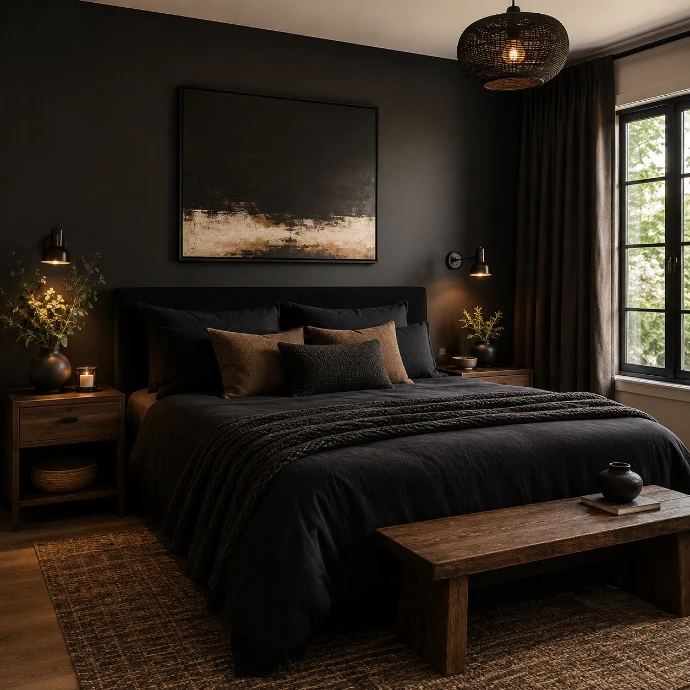
A dark bedroom can feel dramatic without becoming cold or gloomy. Pair rich wall colors with soft fabrics, natural materials, warm lighting, and a few collected-looking pieces, and the entire room can feel cozy and personal.
That balance is what makes a Dark Boho Bedroom so appealing. It combines the relaxed, layered character of bohemian interiors with deeper colors such as forest green, charcoal, burgundy, navy, chocolate brown, and muted plum.
The key is not simply adding dark paint and filling every surface with decor. A successful room balances visual weight. Dark walls might be softened with cream bedding, while heavy wooden furniture can be balanced by airy curtains and warm lamps.
If you want a bedroom that feels moody, comfortable, and full of character, these 10 ideas provide a practical place to start.
Spend 5 Minutes Knowing These 10 Dark Boho Bedroom Ideas
You do not need to completely remodel your bedroom to create this look. Start with one or two noticeable changes, then build the room gradually.
Here are 10 ideas that have the strongest impact.
1. Choose Deep Jewel Tones for the Walls

Wall color is one of the easiest ways to establish a Dark Boho Bedroom atmosphere.
Instead of relying only on black or dark gray, consider colors with more depth and warmth. Forest green, dark teal, burgundy, aubergine, midnight blue, and earthy plum can provide a dramatic background while still feeling inviting.
If the bedroom receives plenty of natural light, you may be comfortable using a dark shade across all four walls. In a smaller or dimmer room, an accent wall behind the bed can create a similar effect without visually enclosing the entire space.
Before painting, test several large samples. Dark colors can change considerably throughout the day.
For example, a forest-green wall can look fresh beside a sunny window but richer and more subdued under warm bedside lamps at night.
Pair darker walls with:
- Warm white or cream bedding
- Medium and dark natural woods
- Terracotta accessories
- Brass or aged metal details
- Woven baskets
- Muted patterned rugs
Avoid introducing too many strong colors at once. Two or three main shades, supported by neutrals, usually create a more cohesive room.
Practical tip: If you rent or cannot paint, use removable wallpaper, a large textile behind the bed, or dark curtains to introduce a similar color effect.
2. Layer Textiles to Make the Room Feel Warmer

Bohemian interiors rely heavily on texture, and this becomes particularly important when working with dark colors.
Without softer materials, charcoal walls and dark wooden furniture can make a bedroom feel visually heavy. Layered fabrics introduce comfort and variation.
Start with the bed.
Instead of using an overly coordinated bedding set, combine several materials that complement one another. You might use cotton sheets, a linen duvet cover, a woven blanket, and two or three textured cushions.
A simple combination could include:
- Cream linen bedding
- A rust-colored throw
- Olive cushions
- A woven wool rug
- Light cotton curtains
Texture often matters more than adding additional colors.
Look for linen, cotton, wool, boucle, velvet, washed canvas, jute, and other tactile materials. These surfaces react differently to light, helping a darker bedroom look layered rather than flat.
Try not to cover the bed with excessive decorative pillows. The goal is a comfortable bedroom you can use every day, not a display that needs to be rebuilt every morning.
3. Bring in Rattan and Wicker Furniture

Rattan and wicker naturally complement dark bohemian interiors because their warm tones provide contrast against richer backgrounds.
A woven headboard against a dark green wall, for instance, immediately stands out without looking overly formal.
You do not need a full matching furniture collection. In fact, boho rooms often feel more authentic when furniture looks collected gradually.
Consider introducing one or two pieces such as a:
- Rattan bedside table
- Cane-front dresser
- Wicker storage trunk
- Woven bench
- Rattan headboard
- Small cane accent chair
If the room already contains several wooden pieces, limit additional rattan furniture so that the space does not become visually crowded.
You can also introduce woven materials through smaller objects. Baskets, lampshades, trays, and plant holders provide similar warmth while taking up less space.
This approach is especially useful when decorating a small dark bohemian bedroom.
4. Anchor the Bedroom with a Statement Rug

A rug can connect furniture, colors, and textures that might otherwise appear unrelated.
For a Dark Boho Bedroom, consider vintage-inspired Persian patterns, faded geometric motifs, Moroccan-style designs, or subtly distressed rugs.
Colors such as burgundy, rust, brown, muted navy, olive, and beige work particularly well with darker interiors.
Size matters just as much as pattern.
A tiny rug beside a large bed can make the room feel fragmented. When possible, choose a rug large enough to extend beyond the accessible sides of the bed.
For additional texture, you can layer rugs carefully. A simple jute rug can serve as the larger base, with a smaller patterned rug positioned over it.
Keep the rest of the floor relatively clear when using a highly detailed rug. Bohemian style benefits from layering, but every surface does not need to compete for attention.
5. Add Vintage or Distressed Furniture

Perfectly matching furniture is not necessary for a successful boho bedroom.
Vintage and distressed pieces can give the room a sense of history and individuality. An old wooden dresser, carved bedside table, vintage trunk, or weathered bench can become much more memorable than a complete matching bedroom suite.
When shopping secondhand, focus first on:
- Suitable dimensions
- Solid construction
- Useful storage
- Interesting shape or details
- A finish that works with your existing palette
Minor cosmetic imperfections can sometimes add character, but furniture should still be stable and practical.
You can also refresh existing furniture rather than buying replacements. Changing hardware, refinishing a suitable wooden surface, or repainting a simple nightstand can help it fit your new color scheme.
A room filled entirely with distressed furniture may start to feel themed. Mixing an older piece with simpler contemporary furniture usually creates a more natural result.
6. Use Hanging Plants for a Lush Touch

Greenery works particularly well against dark walls.
Trailing plants can soften hard corners, add organic shapes, and bring life to shelves or areas around windows. Green leaves also look especially striking against charcoal, navy, brown, and burgundy backgrounds.
Potential placements include:
- A hanging planter near a bright window
- Trailing greenery on a high shelf
- A plant on top of a dresser
- A floor plant beside an accent chair
Choose plants according to the actual light conditions in your bedroom rather than appearance alone.
A beautiful plant placed in unsuitable light may quickly become difficult to maintain.
If your bedroom has limited natural light or you do not want the maintenance of live plants, high-quality artificial greenery can provide a similar decorative effect.
Keep safety in mind when positioning hanging planters. They should be properly secured and placed where they will not interfere with normal movement.
7. Create Atmosphere with Layered Mood Lighting

Lighting can completely change how a dark room feels.
One harsh ceiling fixture may make darker walls appear flat. Several softer light sources placed at different heights create a warmer, more relaxing atmosphere.
Consider combining:
- A central ceiling fixture
- Bedside lamps
- Wall sconces
- A floor lamp
- Small decorative lighting
Warm-toned bulbs generally complement natural wood, rattan, terracotta, and earthy fabrics better than extremely cool light.
You should also consider function.
Bedside lighting needs to be useful enough for reading, while a dresser or desk may require stronger task lighting. Decorative lights can provide atmosphere, but they should not be the room’s only useful illumination.
Dimmers can be particularly helpful because they allow the same room to feel brighter during practical tasks and calmer in the evening.
Quick tip: Position a lamp near a textured wall, plant, or woven object. The resulting shadows can add visual interest without requiring additional decorations.
8. Introduce Dark Floral Prints

Florals are often associated with light, romantic interiors, but darker botanical designs can suit bohemian bedrooms beautifully.
Look for floral prints with black, charcoal, navy, burgundy, or forest-green backgrounds combined with muted flowers and foliage.
You could introduce the pattern through:
- Wallpaper
- Cushion covers
- Bedding
- Framed artwork
- Curtains
- An upholstered chair
The important part is controlling the scale.
If you choose dramatic floral wallpaper behind the bed, allow it to become the main pattern. Keep surrounding bedding and curtains relatively simple.
Alternatively, if your walls are solid, patterned bedding or curtains can introduce more visual movement.
A charcoal wall paired with cream bedding, a dark botanical cushion, walnut furniture, and a faded rug can feel richly layered without becoming overly busy.
9. Add Natural Wood Elements

Natural wood provides warmth that balances the moodier side of a Dark Boho Bedroom.
Walnut, oak, mango wood, reclaimed timber, and other visible-grain finishes can complement earthy bohemian palettes particularly well.
Wood can appear through large pieces such as a bed frame or dresser, but smaller details are often enough.
Consider:
- Wooden bedside tables
- Floating shelves
- A timber bench
- Picture frames
- Carved decorative pieces
- A wooden headboard
You do not need to match every wood tone perfectly.
Slight variation often works well in bohemian interiors. However, it helps if the finishes share a similar undertone. Several warm woods usually coordinate more naturally than mixing very orange, gray, red, and yellow finishes throughout one small bedroom.
Wood also works beautifully alongside woven materials. A solid wooden dresser with a rattan lamp, ceramic vase, and trailing plant creates an easy layered arrangement without requiring many decorative objects.
10. Keep the Bedding Neutral with Dark Accents

If your walls, rug, and furniture are already visually strong, the bed can provide an important resting point for the eye.
Neutral bedding is one of the easiest ways to achieve this balance.
Cream, oatmeal, warm white, taupe, beige, and soft gray can lighten the center of the room while still fitting an earthy bohemian palette.
Then introduce the darker theme through smaller layers.
For example, try cream bedding with:
- A forest-green throw
- Two rust cushions
- A patterned lumbar pillow
- A dark brown blanket
This creates contrast without making the entire bed visually heavy.
It is also easier to update. Changing one throw or cushion cover costs considerably less than replacing an entire bedding collection when you want a slightly different look.
For a particularly cozy appearance, choose bedding with visible natural texture rather than highly shiny fabrics.
A Simple Dark Boho Color Palette
If choosing colors feels confusing, start with a limited palette rather than selecting individual items separately.
| Element | Suggested Colors |
|---|---|
| Walls | Forest green, charcoal, dark teal, burgundy |
| Bedding | Cream, oatmeal, warm beige |
| Wood | Walnut, oak, medium brown |
| Accent colors | Rust, terracotta, olive, muted plum |
| Metals | Antique brass, bronze, aged gold |
| Textiles | Cream, brown, faded red, earthy green |
The exact shades are flexible. What matters is maintaining enough contrast between the darkest surfaces and lighter fabrics.
How to Keep a Dark Boho Bedroom from Feeling Too Dark
Dark bedrooms can feel cozy, but too many heavy elements may reduce the sense of openness.
Start by protecting whatever natural light the room already receives. Avoid blocking windows with tall furniture or oversized decor.
You can then create visual contrast with lighter bedding, rugs, curtains, or artwork.
Mirrors are useful when positioned where they can reflect daylight or an attractive part of the room. However, a mirror will not compensate for poor lighting on its own.
Also pay attention to empty space.
Boho style does not require covering every wall, shelf, and table. Leaving some surfaces relatively clear allows your favorite pieces to stand out.
Ask yourself: Does each additional object improve the room, or is it simply filling an empty space?
That question can prevent a layered bedroom from turning into a cluttered one.
FAQs
What Colors Are Best for a Dark Boho Bedroom?
Forest green, charcoal, dark teal, burgundy, chocolate brown, navy, and muted plum are excellent starting points.
Balance these shades with warmer neutrals such as cream, beige, oatmeal, and tan. Terracotta, rust, and olive can then provide earthy accents.
Can a Small Bedroom Have Dark Boho Decor?
Yes. Dark colors can work in a small bedroom when they are balanced thoughtfully.
Use lighter bedding, maintain clear walking areas, choose furniture that suits the room’s scale, and provide several sources of light.
If four dark walls feel overwhelming, create one dark feature wall and keep the remaining walls in a warmer neutral.
How Do I Make a Dark Boho Bedroom Cozy?
Focus on texture and lighting rather than simply adding more decorations.
Layer soft bedding, introduce a comfortable rug, use natural wood and woven materials, and place warm light sources around the room.
A bedroom should feel comfortable physically as well as visually.
Does Boho Furniture Have to Match?
No. A slightly collected appearance is one of the strengths of bohemian design.
You might combine a wooden bed, cane nightstand, vintage dresser, and simple upholstered chair. Repeating a few colors and materials throughout the room can make different pieces feel connected.
How Can I Create a Dark Boho Bedroom on a Budget?
Begin with changes that have a noticeable visual impact.
Paint or removable wallpaper can transform the room, while secondhand furniture, cushion covers, throws, baskets, and framed prints can add character without requiring a complete furniture replacement.
Before purchasing something new, consider whether an item you already own could be moved, repainted, or restyled.
Conclusion
A successful Dark Boho Bedroom is less about following a strict decorating formula and more about finding the right balance between rich color, natural texture, comfortable fabrics, and personal pieces.
Start with the largest elements first: wall color, bed, bedding, rug, and lighting. Once those pieces work together, introduce wood, rattan, greenery, vintage furniture, and a few carefully chosen accessories.
Most importantly, resist the temptation to add every bohemian element at once. A dark green wall, cream linen bedding, a vintage-style rug, warm wooden furniture, and layered lighting may already provide everything the room needs.