Dark Blue Moody Bedroom Ideas That Feel Calm and Luxurious
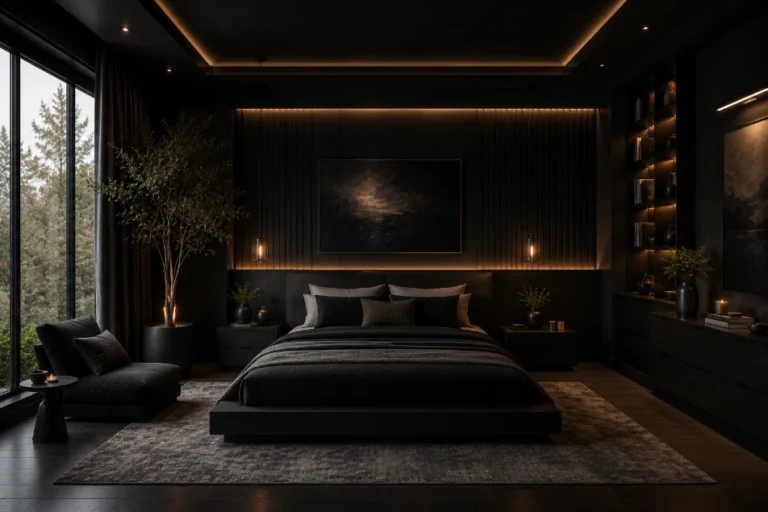
A dark bedroom does not have to feel cold, gloomy, or smaller than it really is. With the right balance of color, texture, lighting, and natural materials, dark blue can make a bedroom feel surprisingly calm and comfortable.
The appeal of a dark blue moody bedroom comes from contrast. Rich navy and midnight-blue tones create the atmosphere, while warm wood, cream fabrics, soft lighting, and subtle metal details prevent the room from becoming visually heavy.
The best results also come from restraint. You do not need dark furniture, dark bedding, dark flooring, and dark accessories all at once. Instead, choose a few strong elements and give them room to stand out.
Below are 12 practical ideas for creating a moody blue bedroom that feels sophisticated, restful, and easy to live with.
Why Dark Blue Moody Bedroom Ideas Work So Well
Dark blue sits in an interesting place between dramatic and peaceful. It has enough depth to create a strong visual identity, but it can also feel calmer than black or very dark charcoal.
Navy, ink blue, blue-black, and muted midnight shades work particularly well in bedrooms because they create an enclosed, restful feeling. This can be especially effective in rooms used mainly in the evening.
However, undertones matter.
Some dark blues lean cool and can appear almost gray under limited daylight. Others contain warmer or greener undertones. Before painting an entire room, test a large sample on more than one wall and look at it during the morning, afternoon, and evening.
Artificial lighting can change the appearance of blue considerably, too.
The other reason dark blue works well is that it pairs naturally with materials commonly used in comfortable bedrooms, including:
- Walnut and medium-toned woods
- Warm white and oatmeal linen
- Wool and boucle
- Aged or brushed brass
- Terracotta
- Cream and warm beige
- Charcoal accents
- Natural greenery
The goal is not simply to make the bedroom darker. It is to use dark blue as a foundation and build warmth around it.
12 Dark Blue Moody Bedroom Ideas for a Calm, Luxurious Space
1. Create a Cocooning Dark Blue Moody Bedroom with Matte Walls and Ceiling

Painting both the walls and ceiling dark blue is one of the most effective ways to create a genuinely moody bedroom.
Instead of stopping the color at the ceiling line, continuing it overhead reduces visual contrast. This can make the room feel more unified and intimate, particularly at night.
A matte or low-sheen finish generally works better than a glossy surface for large areas because it reflects less light and gives dark colors a softer appearance.
This approach can also work in a small bedroom, but lighting becomes especially important. Keep some lighter elements in the room so that every surface does not compete for attention.
For example, combine midnight-blue walls and ceiling with an oatmeal upholstered bed, warm wood flooring, cream bedding, and two small bedside lights.
If full color drenching feels too intense, paint the walls dark blue and use a slightly softer blue on the ceiling. You will retain much of the cocooning effect while creating a little more visual separation.
Practical tip: Always sample dark blue paint before committing. A navy that looks balanced in a brightly lit store may appear almost black in a north-facing bedroom.
2. Soften Dark Blue Moody Bedroom Walls with Oatmeal and Cream Bedding

One of the easiest mistakes to make with a dark bedroom is continuing the same intensity onto the bed.
Dark walls paired exclusively with navy, black, and charcoal bedding can create a room with very little visual relief.
Cream and oatmeal provide contrast without the sharpness of brilliant white.
Consider starting with warm ivory sheets, an oatmeal duvet cover, or a natural linen quilt. You can then introduce smaller dark blue details through cushions or a throw.
Texture is just as important as color.
Washed linen, cotton, boucle, wool, and subtle woven fabrics catch light differently, preventing neutral bedding from looking flat against dark walls.
A simple combination could include:
- Warm ivory sheets
- Oatmeal linen duvet
- Two muted navy cushions
- One textured charcoal lumbar cushion
- A medium-weight blue throw
This allows the bed to become a softer visual center without disconnecting it from the rest of the room.
3. Ground a Dark Blue Moody Bedroom with a Low Walnut Platform Bed

Dark blue and walnut make a particularly comfortable combination because the warmth of the wood balances the cooler character of blue.
A low-profile platform bed works especially well in a contemporary moody bedroom.
Its horizontal shape keeps the furniture visually grounded and leaves more of the wall visible above the headboard. In smaller rooms, this can also make the ceiling appear a little higher.
Look for a bed with a simple silhouette rather than elaborate decorative details. Visible wood grain already provides plenty of natural texture.
Medium and dark walnut tones tend to stand out beautifully against navy or blue-black walls.
You can repeat the wood elsewhere, but moderation is useful. A walnut bed, small dresser, and one shelf may provide enough continuity without making the room feel overly coordinated.
If your flooring is already a strong wood tone, compare samples before buying the bed. The two woods do not have to match perfectly, but their undertones should feel comfortable together.
4. Save Space in a Dark Blue Moody Bedroom with Floating Nightstands and Wall Lights

Traditional bedside tables can make a compact bedroom feel crowded, especially when they sit beside a substantial upholstered or wooden bed.
Floating nightstands provide a lighter alternative.
Wall-mounted designs leave the floor visible underneath, helping the room feel less cluttered while still providing space for essentials.
They are particularly effective when paired with wall-mounted reading lights.
Removing table lamps from the nightstands frees additional surface area and can make the bedside arrangement look much cleaner.
A dark blue bedroom could use slim walnut nightstands with small brass sconces, or matte-black floating drawers with warm glass wall lights.
Keep functionality in mind. A beautiful floating shelf may look impressive in photographs but become frustrating if there is nowhere to place a phone, book, or glass of water.
If possible, choose a design with at least one small drawer for everyday items.
5. Add Warm Cove Lighting to Keep a Dark Blue Moody Bedroom from Feeling Gloomy

Lighting has a major influence on how dark blue behaves after sunset.
A single bright ceiling fixture can flatten the room and create harsh shadows. Layered lighting generally produces a much softer result.
Cove lighting is particularly useful because the light source is concealed. Instead of shining directly into the room, light washes across the ceiling or upper wall.
This can emphasize architectural details while giving dark blue surfaces a gentle glow.
You do not necessarily need an elaborate ceiling renovation. Depending on the room, concealed lighting can be incorporated around a ceiling detail, headboard structure, built-in cabinetry, or recessed architectural feature.
Combine ambient lighting with functional sources such as bedside reading lights.
Using dimmers where appropriate also gives you more control. Brighter light can be useful while cleaning or getting dressed, while lower illumination suits the evening.
The important point is balance: a moody bedroom should feel intentionally atmospheric, not simply underlit.
6. Warm Up Dark Blue Moody Bedroom Decor with a Large Oat or Charcoal Wool Rug

A large rug can change both the appearance and comfort of a dark bedroom.
If the room has wood, laminate, or another hard floor, a wool or wool-blend rug introduces softness and helps visually anchor the bed.
Oatmeal is useful when the walls and furniture are particularly dark. It brightens the lower half of the room without introducing a stark white surface.
Charcoal works differently. It creates a more tonal appearance and suits bedrooms that already receive plenty of daylight or contain substantial cream bedding.
Size matters more than adding multiple small rugs.
Ideally, the rug should extend beyond the sides and foot of the bed enough to be visible and comfortable underfoot. A rug that barely reaches beyond the bed frame can look undersized.
If wool is outside your budget, look for another bedroom-appropriate material that offers a soft texture and is practical to maintain.
You can also use a subtle pattern rather than a solid color. A low-contrast charcoal-and-oat design can introduce movement while preserving the quiet mood.
7. Frame a Dark Blue Moody Bedroom with Floor-to-Ceiling Linen Curtains

Curtains have a much bigger visual role in a dark bedroom than many people expect.
Hanging them close to the ceiling and allowing them to fall almost to the floor emphasizes height and makes the window treatment feel intentional.
Heavy linen or linen-look curtains are particularly suited to a moody scheme because their natural texture softens smooth painted walls.
You have several color directions to consider.
Muted navy curtains create a tonal, enveloping look. Oat or warm beige curtains add stronger contrast. Charcoal provides an understated middle ground.
For a bedroom that needs privacy as well as daylight control, layering can be practical. A lighter sheer curtain can provide daytime privacy, while a heavier outer curtain can reduce incoming light when needed.
Make sure the curtain width is generous enough to create natural folds when closed.
Thin panels stretched tightly across a large window can make an otherwise luxurious room feel unfinished.
8. Give Dark Blue Moody Bedroom Walls One Statement Artwork Instead of a Busy Gallery

Dark walls already carry significant visual weight, so they do not always need numerous decorative pieces.
One oversized artwork can be more effective than a collection of small frames.
Choose a piece that relates to the room without perfectly matching it. Abstract artwork containing cream, rust, muted green, soft gray, or small blue details can work beautifully against a navy background.
A thin brass frame introduces a warm metallic line around the artwork.
Scale is important.
Above a wide bed or dresser, a very small picture can appear disconnected from the furniture beneath it. A larger piece creates a clearer focal point.
Before hanging anything, use removable paper or painter’s tape to mark the proposed dimensions on the wall. This makes it easier to judge scale from across the room.
Do you really need artwork on every empty wall? Often, leaving one or two walls relatively bare gives the main piece more impact and makes the room feel calmer.
9. Introduce Quiet Luxury into a Dark Blue Moody Bedroom with Aged Brass Details

Warm metal provides a natural counterpoint to dark blue, but the effect is strongest when it is used selectively.
Instead of filling the bedroom with shiny gold accessories, introduce brass through functional details.
Good places include:
- Wall sconces
- Drawer pulls
- Curtain rods
- Wardrobe handles
- A slim picture frame
- Small lamp details
Unlacquered brass develops a changing patina over time, which appeals to people who like naturally aging materials. Brushed or aged brass offers a related visual warmth with a different finish and maintenance requirement.
Try repeating the same metal finish in two or three areas.
For instance, brass bedside lights can relate to wardrobe hardware and a thin artwork frame. That repetition creates continuity without making brass the main theme.
Avoid combining too many competing metallic finishes in a small bedroom. Chrome, polished gold, copper, brass, and black metal used together can make the space feel unnecessarily busy.
10. Bring Organic Shape into a Dark Blue Moody Bedroom with One Sculptural Plant

A dark blue bedroom can contain many straight architectural lines: the bed, wardrobes, shelves, artwork, and window frames.
A plant introduces a softer, irregular shape.
Instead of filling every available surface with small plants, consider one larger specimen with a distinctive form.
Place it in an unused corner, beside a window, or near a dresser where it has enough room to become part of the composition.
A terracotta planter works especially well because its earthy orange-brown tone contrasts naturally with blue.
The plant should suit the actual light conditions in the room. Do not choose a variety purely for appearance if the bedroom cannot provide the light or care it requires.
If maintaining a large plant is impractical, a high-quality artificial option or a simple arrangement of suitable cut foliage can provide a similar visual function without turning plant care into another chore.
11. Add Practical Storage to Dark Blue Moody Bedroom Ideas with Floating Walnut Shelves

Storage is often where a carefully designed bedroom begins to feel cluttered.
Floating shelves can provide useful display and storage space without introducing another large piece of furniture.
Walnut shelves add warmth and relate naturally to a wooden bed. Black shelves create a more architectural appearance and can visually recede against very dark blue walls.
What you place on them matters.
Avoid filling the entire shelf from end to end. Instead, combine a few objects with different heights and leave some negative space.
You might use a small selection of books, one ceramic object, a framed photograph, and a decorative box for items you do not want visible.
If the shelves are above the bed, make sure their placement and installation are appropriate and secure. In many rooms, positioning shelves above a desk or dresser can be a more practical choice.
Floating storage should help the bedroom stay organized rather than simply create another surface to decorate.
12. Finish a Dark Blue Moody Bedroom with Layered Teal, Oat, and Charcoal Bedding

Layered bedding gives a moody bedroom depth, but more layers do not automatically mean a better-looking bed.
Start with a comfortable neutral foundation.
Warm ivory, cream, or oatmeal sheets and a duvet provide visual relief from dark walls. Add muted teal or blue-green textiles to introduce subtle color variation rather than repeating exactly the same navy used on the walls.
Charcoal can then provide definition.
For example, try:
- Warm ivory sheets
- Oatmeal linen duvet
- Two muted teal cushions
- One charcoal textured cushion
- A teal or charcoal throw across the foot of the bed
The different tones keep the palette connected without making everything match.
Pay attention to texture as well. Crisp cotton, relaxed linen, knitted wool, and a lightly textured coverlet can all interact with light differently.
If your walls are nearly blue-black, allow cream and oat to dominate the bed. If you have a softer navy wall color, you can introduce a little more charcoal.
The bed should still be practical enough to make every day. If arranging ten decorative pillows becomes annoying after a week, the styling is working against the way you actually use the room.
Common Dark Blue Moody Bedroom Mistakes and How to Fix Them
A successful dark bedroom depends less on buying expensive furniture and more on maintaining balance.
| Common Mistake | Why It Can Be a Problem | Simple Fix |
|---|---|---|
| Making every surface dark | The room can lose definition | Add cream, oat, or warm wood |
| Using only one overhead light | Creates harsh or uneven illumination | Layer ambient, task, and bedside lighting |
| Choosing blue paint without testing it | Undertones change with daylight | Test samples on multiple walls |
| Using too many gold accessories | Can make the design feel overly themed | Limit brass to a few functional details |
| Buying a rug that is too small | Makes the furniture appear disconnected | Use a rug large enough to extend around the bed |
| Matching every blue exactly | Creates a flat, overly coordinated look | Mix navy, muted teal, and blue-gray tones |
| Filling every wall with decor | Competes with the strong wall color | Keep some negative space |
| Using only cool colors | Can make the bedroom feel less inviting | Add walnut, terracotta, oat, and warm lighting |
| Ignoring daytime appearance | A room designed only for nighttime may feel dull during the day | Consider window direction and natural light before choosing paint |
One of the most useful questions to ask is: Where will the visual contrast come from?
If you already have dark blue walls, you may not need a black bed, charcoal curtains, black flooring, and navy bedding too. Allow lighter textiles, natural wood, or a rug to break up the darker surfaces.
Also consider how the room works during the day. A bedroom can look wonderfully atmospheric under bedside lamps but still needs to feel comfortable and functional in natural light.
Conclusion
Creating a dark blue moody bedroom is less about making everything dark and more about controlling contrast.
Start with one strong foundation, such as matte navy walls, and gradually add warmth through walnut furniture, oatmeal bedding, textured rugs, linen curtains, and restrained brass details. Layered lighting can then bring those materials to life after sunset.
You also do not need to apply all 12 ideas at once. Even a few thoughtful changes can reshape the atmosphere of an existing bedroom.
Begin with the elements that have the greatest visual impact—paint, bedding, lighting, and curtains—before spending money on smaller decorative pieces. The finished room should not only photograph beautifully; it should feel calm, practical, and comfortable every day.