Stylish Pink Bedroom Ideas For Adults (You Can’t Unlove!)
Pink does not have to make a bedroom look childish. In the right shade and paired with thoughtful materials, it can create a bedroom that feels calm, polished, warm, and surprisingly grown-up.
The trick is not filling every corner with pink. A sophisticated room usually combines pink with grounding shades, natural materials, interesting textures, and a few carefully chosen accents.
Whether you prefer barely-there blush or rich dusty rose, these Pink Bedroom Ideas For Adults offer practical ways to bring the color into your space without sacrificing an elegant look.
15 Pink Bedroom Ideas for Adults
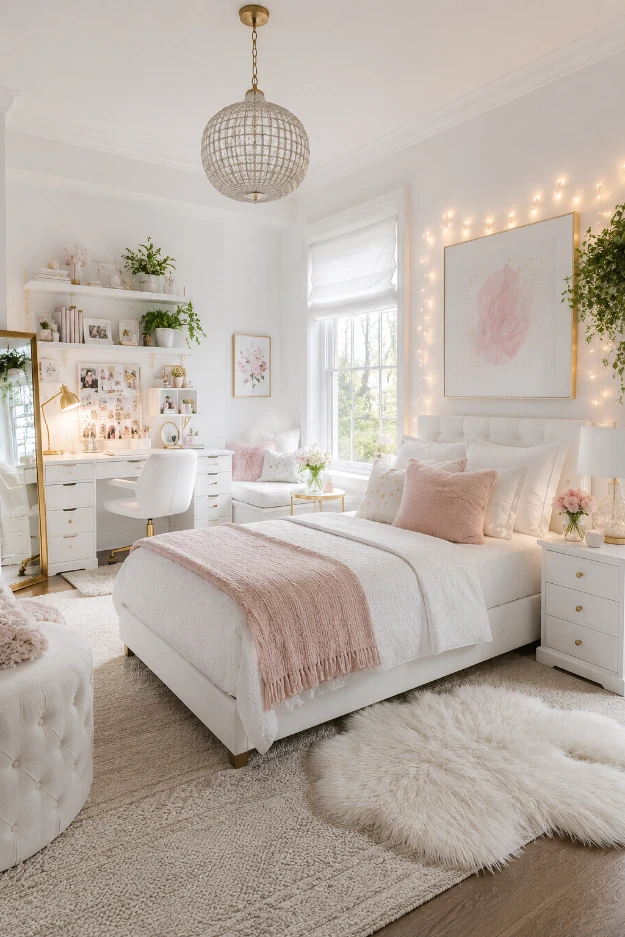
Pink is remarkably flexible. It can act as a soft neutral, provide a warm backdrop, or become the strongest feature in the room.
Before choosing paint or furniture, consider how much pink you actually want to see. Would you enjoy waking up surrounded by the color, or would a few carefully placed accents suit you better?
The following ideas range from subtle updates to more confident uses of pink.
1. Create a Blush Pink Accent Wall

A blush accent wall is one of the easiest ways to introduce pink without allowing it to dominate the entire bedroom.
Choose a muted blush with beige, peach, or dusty undertones instead of an extremely bright candy pink. These softer variations tend to work naturally with adult interiors.
The wall behind the bed is usually the best location because it establishes a focal point without requiring additional decoration.
Pair it with:
- Warm white or cream bedding
- Natural oak furniture
- Linen curtains
- Brass or matte black lighting
- A beige or ivory area rug
Consider the natural light in your bedroom before settling on a shade. Pink can look noticeably warmer under artificial lighting than it does beside a sunny window, so test a large paint sample at different times of day.
For a simple update, keep the other walls warm white and allow the blush wall to provide most of the color.
2. Balance Pink with a Gray Color Scheme

Pink and gray can create a calm, contemporary bedroom when the undertones are carefully matched.
Rather than automatically choosing cool gray, consider warm gray, greige, mushroom, or soft charcoal. These colors can give pink more visual maturity while keeping the room comfortable.
One practical arrangement is to use soft gray on the walls, blush bedding, and warm wood furniture. Alternatively, pale pink walls can be grounded with a charcoal upholstered bed.
Try keeping the ratio uneven rather than using equal amounts of both colors. For example, let gray and off-white cover most of the room while pink appears through bedding, art, or an occasional chair.
Small amounts of wood or brass can also prevent a pink-and-gray room from feeling too cold.
3. Add Pink Velvet Upholstery

Velvet gives pink additional richness because its appearance changes slightly as light moves across the fabric.
A dusty rose velvet headboard can become a beautiful focal point without requiring pink walls. For smaller rooms, an upholstered bench or occasional chair provides the same idea on a more modest scale.
Consider muted shades such as:
- Dusty rose
- Muted mauve
- Antique pink
- Rose beige
- Soft berry
Balance velvet with simpler materials. Crisp cotton sheets, linen curtains, wooden furniture, and a wool rug prevent the bedroom from becoming overly formal.
If you already have several luxurious finishes in the room, one velvet piece is usually enough.
4. Make Pink Floral Wallpaper the Main Feature

Floral wallpaper can work beautifully in an adult bedroom, particularly when the design has a sophisticated scale and restrained palette.
Instead of covering every wall, use patterned wallpaper behind the headboard. This gives the bedroom a strong visual feature while making the remaining walls easier to decorate.
Look for designs containing muted pink alongside colors such as cream, sage, burgundy, taupe, charcoal, or warm brown.
Large botanical patterns can feel more contemporary than tiny repetitive flowers, while vintage-inspired florals work well with antique wood furniture and traditional bedrooms.
After installing a bold wallpaper, keep nearby bedding relatively simple. Pull one subtle shade from the pattern and repeat it through a throw or cushion to make the design feel intentional.
5. Pair Pink Bedding with Warm Neutrals

You do not need to paint anything to create an adult pink bedroom.
Bedding provides an easy way to experiment because it can be changed without a major renovation.
Start with a neutral foundation such as warm white, oatmeal, beige, taupe, or light brown. Introduce pink through a duvet, quilt, pillowcases, or a throw.
For example, try:
Cream sheets + dusty pink duvet + taupe throw + warm wood nightstands
Texture matters just as much as color here. Linen, washed cotton, boucle, and wool can give a simple palette more depth.
Avoid buying every piece from one matching collection. Slight variations in tone and material generally make the bed look more relaxed and personal.
6. Introduce Rose Gold in Small Amounts

Rose gold can complement pink, but restraint is important.
Too many metallic accessories can quickly make the bedroom feel overly coordinated. Instead, treat rose gold as a finishing detail.
It could appear on:
- A bedside lamp
- Mirror frame
- Drawer handles
- Small picture frames
- Decorative tray
Keep larger furniture pieces neutral or wooden.
Rose gold works particularly well with blush, cream, warm gray, and pale taupe. If you prefer a less coordinated appearance, mix a small amount of rose gold with aged brass or darker metal rather than repeating the exact finish everywhere.
7. Build a Monochromatic Pink Palette

A monochromatic room does not mean using one identical pink from floor to ceiling.
It works better when several related shades are layered together.
You might combine pale blush walls, dusty rose bedding, muted mauve cushions, and a darker raspberry detail. Differences in value and texture create separation between the surfaces.
A balanced palette could look like this:
| Element | Suggested Color |
|---|---|
| Walls | Pale blush |
| Bedding | Dusty rose |
| Curtains | Pink-beige |
| Cushions | Mauve and cream |
| Rug | Warm ivory |
| Accent decor | Dark rose |
Add warm white, natural wood, or beige between the pink elements to give the eye somewhere to rest.
This approach is particularly effective when you want pink to be clearly noticeable while maintaining a cohesive interior.
8. Combine Pink with Gold for an Elegant Look

Pink and gold can feel elegant rather than flashy when the gold is used as an accent.
Dusty pink walls or bedding pair naturally with brushed brass bedside lamps, slim gold frames, or simple metallic handles.
Avoid adding metallic finishes to every piece of furniture. A few carefully placed details have greater impact.
Natural materials can help balance the combination. For instance, a bedroom with dusty pink walls, an oak bed, cream linen bedding, and two brass sconces feels warm and sophisticated without becoming excessively glamorous.
For a richer atmosphere, use deeper rose or mauve rather than pale pink.
9. Soften the Windows with Light Pink Curtains

Curtains cover a large vertical area, which means they can change the mood of a bedroom even when the walls remain neutral.
Pale pink linen or linen-look curtains provide subtle color while keeping the space light.
Hang curtains high and, where practical, extend the rod beyond the window frame. This can make the window treatment feel more generous and allow more glass to remain exposed when the curtains are open.
Choose a fabric based on what you need from the room. Sheer or lightweight curtains provide softness and filtered daylight, while lined curtains offer more privacy and light control.
For bedrooms requiring better darkness at night, pink decorative curtains can be layered with practical blinds or blackout panels.
10. Make a Pink Headboard the Focal Point

If you want a strong pink feature without committing to painted walls, focus attention on the bed.
An upholstered pink headboard immediately establishes the bedroom’s palette. Because the bed is naturally the room’s main piece of furniture, you may need very little additional pink afterward.
Choose the shape according to the overall style.
A clean rectangular headboard works in contemporary bedrooms, while curved or gently scalloped designs can soften a room dominated by straight furniture lines.
Dusty rose, muted blush, and pink-beige are especially versatile because they pair easily with white, cream, brown, gray, and natural wood.
Keep the bedding slightly quieter than the headboard. Cream sheets and a neutral duvet, for example, allow the upholstery to stand out.
11. Ground the Room with a Pale Pink Rug

A rug is another subtle way to introduce color without changing the walls or furniture.
Look for a pale pink rug containing cream, beige, taupe, or muted gray details. Slightly faded or vintage-inspired patterns can make pink feel more collected and less decorative.
Size is important.
For a larger bedroom, the rug should ideally relate to the bed rather than appearing like a small mat floating beside it. Positioning a sufficiently large rug beneath the lower portion of the bed can visually connect the furniture.
If the bedroom already contains pink walls and bedding, choose a mostly neutral rug with only small pink details.
12. Create an Adult Pink Gallery Wall

Artwork gives you much more flexibility than paint.
Build a gallery wall using a mixture of abstract prints, photography, botanical illustrations, typography, or personal artwork containing subtle pink tones.
Not every piece needs to contain pink. In fact, combining pink with beige, black, brown, olive, or burgundy often produces a more interesting arrangement.
Before hanging anything, lay the frames on the floor and test the arrangement.
You can also cut paper to the size of each frame and temporarily attach the shapes to the wall. This makes spacing easier to judge before making permanent holes.
Choose frames that relate to other finishes in the room, such as wood, black metal, brass, or white.
13. Try a Dark Pink Accent Wall

Pastel pink is not the only option for adult bedrooms.
Muted raspberry, deep rose, clay pink, and dusky berry can create a richer, moodier atmosphere.
A dark pink wall behind the bed works particularly well in rooms with plenty of natural light. Pair it with warm neutrals and tactile materials to prevent the color from becoming visually overwhelming.
Consider combining a dark rose wall with:
- Cream bedding
- Dark walnut furniture
- Warm brass lamps
- Beige curtains
- A faded vintage-style rug
Test darker colors before painting the entire wall. Their appearance can shift dramatically between daylight and warm bedside lighting.
A deeper pink is also useful when you want a bedroom that feels cozy rather than airy.
14. Create Contrast with Pink and Black

Black gives pink structure and can immediately change how the color is perceived.
Instead of using large amounts of black, introduce it through narrow furniture frames, lamps, curtain rods, picture frames, or a simple bedside table.
For example, pale pink walls paired with cream bedding and slim black bedside lamps create clear contrast without making the room feel dark.
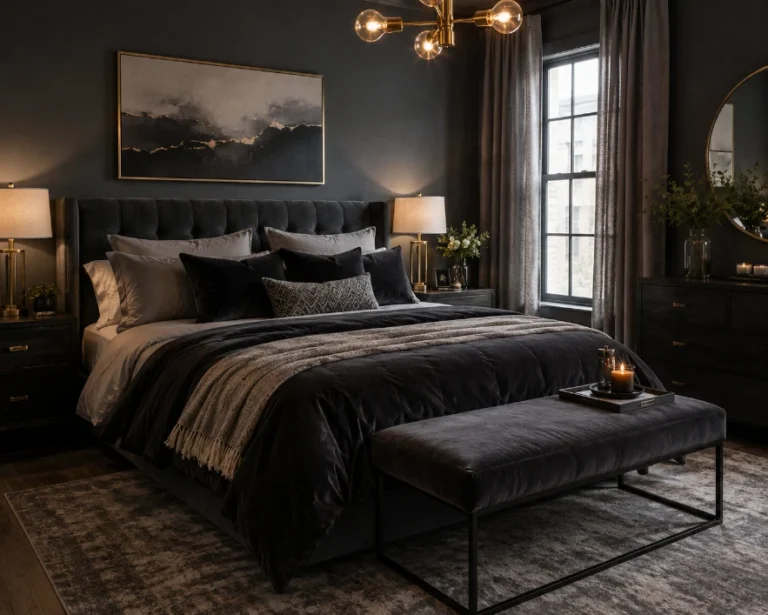
If you prefer a moodier design, reverse the balance. Use charcoal or near-black walls with dusty pink bedding and warm wooden furniture.
Keep texture in mind. A completely smooth pink-and-black bedroom can feel stark, so add linen, wool, wood, woven baskets, or a textured rug.
15. Choose One Hot Pink Statement Piece

Bright pink can work in an adult bedroom when it is intentionally limited.
Rather than spreading hot pink across multiple surfaces, use one piece as a controlled focal point.
It could be a small accent chair, piece of artwork, bench, lamp, or throw.
Imagine a mostly neutral bedroom with warm white walls, an oak bed, cream bedding, a jute rug, and one vivid pink chair. The contrast makes the chair feel purposeful rather than overwhelming.
Repeat the bright color only if necessary. Even a tiny detail in an artwork or cushion may be enough to connect the statement piece with the rest of the room.
This is also an easy strategy for renters because the strongest color does not need to be permanently attached to the room.
How to Keep an Adult Pink Bedroom Sophisticated
The difference between a sophisticated pink bedroom and an overly themed room usually comes down to balance.
Start with the undertone. Muted blush, dusty rose, clay pink, mauve, and pink-beige generally integrate easily with natural materials and grown-up furniture.
Then introduce visual weight through another color or material. Wood, black, charcoal, olive, chocolate brown, cream, and brass can all ground pink effectively.
Most importantly, do not feel that every object needs to match.
A room often looks more polished when colors appear naturally in several places rather than being repeated in identical shades across the bed, curtains, rug, lamps, and accessories.
FAQs
How can I make a pink bedroom look sophisticated?
Choose muted pink shades and combine them with warm neutrals, natural wood, quality textiles, and simple furniture.
Instead of filling the room with small pink accessories, use one or two larger applications of the color. A blush wall and dusty rose headboard, for example, can make a stronger and cleaner statement than numerous matching decorations.
Black, brass, walnut, and warm gray can also add contrast.
What are some stylish pink bedroom combinations?
Pink works with considerably more colors than white alone.
Some useful combinations include:
- Blush pink + cream + oak
- Dusty rose + warm gray + brass
- Pale pink + sage green + beige
- Mauve pink + charcoal + walnut
- Pink + black + warm white
- Clay pink + terracotta + cream
- Dusty pink + burgundy + beige
Choose combinations based on the mood you want. Cream and blush feel light and calm, while mauve and charcoal produce a more dramatic result.
Is a pink bedroom suitable for adults?
Yes. Pink can work extremely well in an adult bedroom because the color ranges from barely noticeable pink-beige to rich berry and muted rose.
The overall effect depends more on the shade, materials, furniture, and styling than on the color itself.
Pairing pink with linen, natural wood, simple furniture, warm metals, and restrained accessories can create a sophisticated space suitable for many interior styles.
How do I add pink without overwhelming my bedroom?
Start with items that are easy to change.
A throw blanket, two cushions, artwork, curtains, or a small rug can introduce enough color to see how pink works with your existing room.
Another useful approach is the one-feature method. Choose one significant pink element—such as a headboard, accent wall, or rug—and keep most surrounding surfaces neutral.
You can always add another pink detail later if the room needs it.
What furniture works best in a pink-themed bedroom?
There is no single furniture style required for a pink bedroom.
Natural oak and walnut can warm the palette, while black furniture creates stronger contrast. Cream upholstered furniture provides a softer look, and vintage wood pieces can work beautifully with dusty or muted pink.
Rather than choosing furniture simply because it is pink, focus on pieces that suit the room’s size and your everyday needs.
A functional nightstand with storage, a comfortable bed, good lighting, and a practical dresser will contribute more to the bedroom than decorative furniture chosen only to match the color scheme.
Conclusion
The best Pink Bedroom Ideas For Adults use color with intention rather than simply adding more pink.
You might begin with something as simple as dusty pink bedding, or make a stronger change with a blush accent wall or upholstered headboard. If you love richer interiors, dark rose combined with walnut, brass, or charcoal can create an entirely different mood.
Before buying several new pieces, choose your main pink shade and two or three supporting colors. Then build the room gradually, paying attention to lighting, texture, scale, and the furniture you actually need.
A successful pink bedroom does not need to prove that pink can look grown-up. When the colors, materials, and proportions work together, the room simply feels comfortable, personal, and well considered.