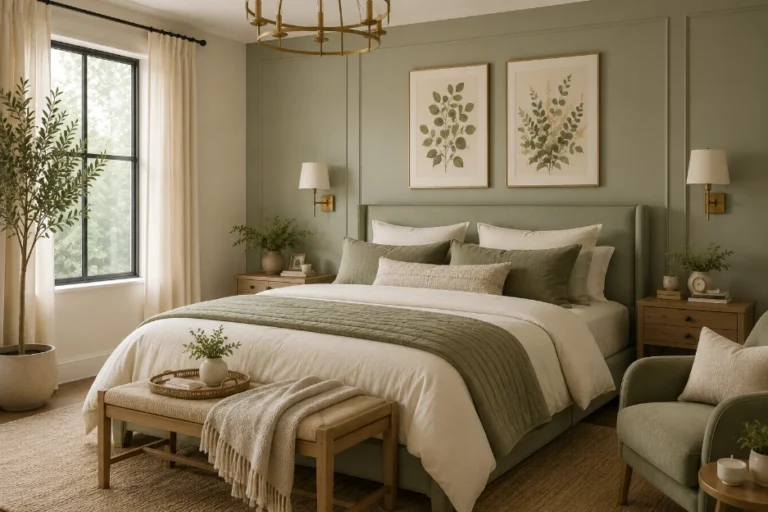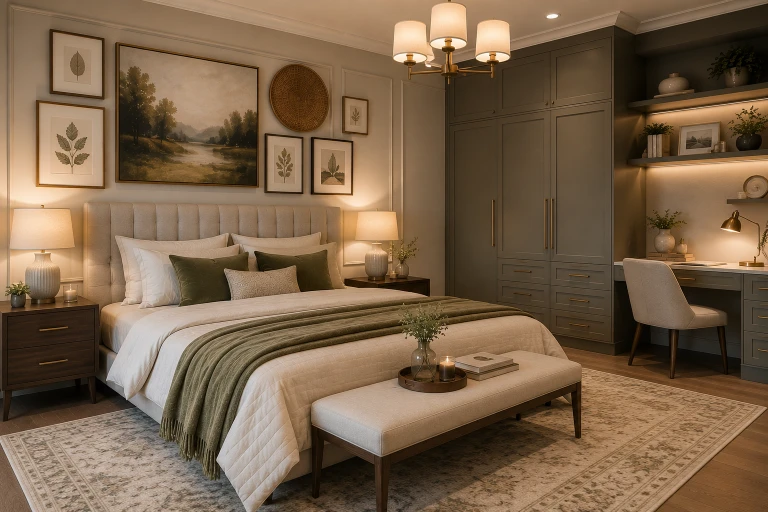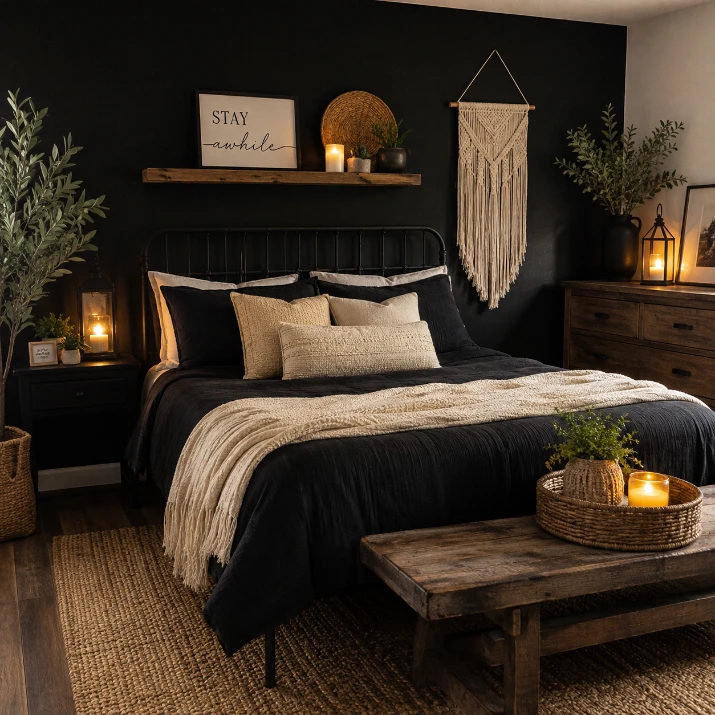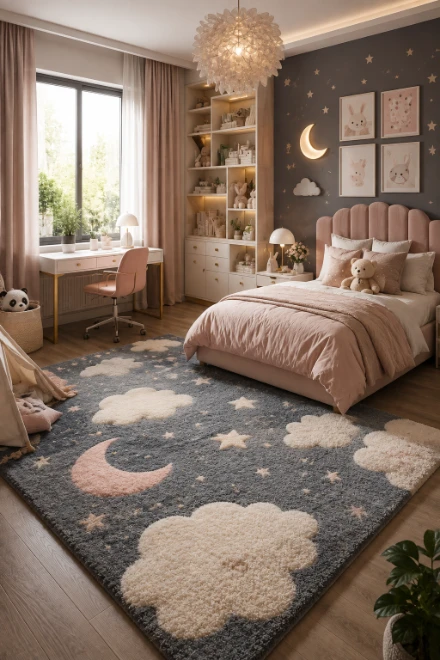
Top 10 Mix & Match Bedroom Furniture Ideas for a Personal Touch
A bedroom filled with perfectly matching furniture can look polished, but sometimes it can also feel a little too predictable. Mixing different pieces gives you another option: a room that feels collected, comfortable, and personal.
The good news is that Mix & Match Bedroom Furniture does not mean randomly placing unrelated items around the room. The most successful bedrooms usually have a few repeated elements—such as color, wood tone, shape, texture, or hardware—that quietly connect everything.
You can pair a wooden bed with painted nightstands, place a vintage dresser beside a modern chair, or combine light and dark wood without making the room feel messy.
The key is knowing what should coordinate and what can be different.
Understanding the Concept: Can You Mix and Match Furniture in a Bedroom?
Yes, you can mix and match furniture in a bedroom. In fact, it can make the room feel more natural and individual than buying every piece from the same furniture collection.
Think about bedrooms that have developed over time. Perhaps you already own a solid wood dresser, find a beautiful upholstered bed later, and eventually add a small vintage nightstand. Those pieces may come from different places, but they can still belong in the same room.
The trick is to create connection without exact matching.
Furniture can relate through:
- Similar undertones
- Repeated colors
- Complementary shapes
- Coordinating hardware
- Shared materials
- Similar visual weight
- Repeated textures
For example, imagine a bedroom with a walnut bed, cream nightstands, an oatmeal upholstered bench, and a black reading chair. None of these pieces match exactly. However, warm neutral bedding, black lamp details, and a beige-and-brown rug can visually connect the entire arrangement.
That is the difference between a thoughtfully mixed bedroom and one that simply looks unfinished.
How to Mix and Match Furniture in Bedroom?
Mixing furniture becomes much easier when you stop thinking about matching individual items and start considering the bedroom as a complete composition.
1. Embrace Experimentation
You do not need to get every combination right on your first attempt.

Try moving a nightstand to the opposite side of the bed, swapping lamps between rooms, or temporarily placing a chair beside your dresser. Small experiments help you see which combinations actually work in your space.
Take a photo after each arrangement. Looking at the room through a photo can make differences in scale, color, and balance easier to notice.
2. Start with a Vision

Before shopping, decide how you want the bedroom to feel.
Do you prefer:
- Warm and cozy?
- Light and airy?
- Modern and minimal?
- Traditional and elegant?
- Rustic and relaxed?
- Vintage-inspired?
- Organic and natural?
Create a simple palette before adding furniture.
For example:
Warm white + walnut + oatmeal + muted olive + aged brass
This gives you enough direction to evaluate furniture without forcing every item to come from one collection.
3. Use Color as a Unifying Element

Color is one of the easiest ways to make mismatched furniture feel intentional.
Suppose you have a dark wooden bed and a light oak dresser. Rather than trying to make the wood tones identical, repeat both colors elsewhere.
A rug containing beige and dark brown can bridge the two finishes. Dark picture frames might echo the bed, while a light wood tray connects to the dresser.
Try to repeat an important color at least a couple of times throughout the room rather than leaving it isolated on one piece.
4. Focus on Key Furniture Pieces

Start with the largest pieces because they have the strongest visual impact.
Usually, these include:
- Bed
- Dresser
- Wardrobe
- Large chest
- Desk
Once those are established, smaller furniture can create contrast.
If you already own a statement wooden bed, for instance, you probably do not need another equally dramatic dresser competing for attention.
5. Nightstands

Nightstands are an easy place to experiment with mismatched bedroom furniture.
They do not always need to be identical.
One side of the bed might have a small wooden chest while the other uses a round painted table. They can still feel connected if their heights are reasonably similar or if matching lamps create visual balance.
In a smaller room, one traditional nightstand and one compact wall-mounted shelf can also be practical.
6. Dressers and Chests

Your dresser does not have to match your bed.
If the bed has a heavy dark wood frame, a lighter dresser can prevent the room from feeling visually crowded. A painted chest can work particularly well when several natural wood finishes are already present.
Pay attention to undertones. Warm walnut usually sits more comfortably beside creamy paint and warm oak than beside a strongly cool gray finish.
7. Accent Pieces
Accent furniture gives you more freedom.

A bedroom may include:
- Bouclé chair
- Cane stool
- Upholstered bench
- Metal side table
- Vintage trunk
- Small writing desk
These pieces can introduce a new material without changing the entire character of the room.
A cane chair, for example, can soften a bedroom dominated by solid wooden furniture.
8. Keep Scale in Mind

Two pieces can look beautiful individually and still feel wrong together because their proportions are very different.
A substantial king-size bed with an oversized headboard may make tiny nightstands look lost. Likewise, a large chest beside a low, delicate bed can visually overpower the sleeping area.
Look at:
- Height
- Width
- Visual weight
- Available walking space
- Ceiling height
Always measure the room and furniture before making a major purchase.
9. Play with Textures

Texture helps mixed furniture look layered rather than disconnected.
If you have several hard wooden surfaces, soften them with linen bedding, an upholstered headboard, curtains, or a wool rug.
You might combine:
Walnut + linen + cane + wool + aged brass
The finishes are different, yet their warm and tactile qualities help them work together.
10. Start Small

If you are nervous about mixing furniture, do not replace half your bedroom at once.
Begin with one smaller item.
Swap a matching nightstand for a vintage table. Add an upholstered bench to a room containing wooden furniture. Introduce a painted dresser instead of another wood finish.
You can gradually build from there.
11. Trust Your Instincts

Design principles are useful, but you are the person living in the room.
If an unusual chair, old family dresser, or secondhand nightstand makes the bedroom feel more personal, you do not need to remove it simply because it is not a perfect stylistic match.
Instead, find one or two elements that connect it with the rest of the room.
7 Benefits of Mixing and Matching Furniture

There are practical reasons to choose Mix & Match Bedroom Furniture beyond appearance.
1. Personalization
Mixing pieces lets you create a bedroom that reflects your own taste.
You can combine a favorite antique dresser with a modern bed or keep furniture that has sentimental value rather than replacing it simply to create a matching set.
2. Flexibility
You can update one piece at a time.
If your nightstand becomes damaged, for example, you do not need to find the exact discontinued model. You can choose something complementary instead.
3. Budget-Friendly
Buying an entire bedroom suite at once can be expensive.
Mixing furniture allows you to keep useful pieces and gradually add what you actually need. Secondhand stores, vintage shops, clearance sections, and local marketplaces can also provide good-quality furniture at lower prices.
4. Enhanced Aesthetics
Variation can add depth to a room.
A combination of wood, upholstery, metal, and woven materials often creates more visual interest than repeating the same finish on every item.
The important word here is balance. Too many competing materials can create clutter rather than character.
5. Creative Expression
Your bedroom becomes an opportunity to combine things you genuinely like.
Perhaps you prefer a traditional wooden dresser but love contemporary lighting. There is no reason you cannot use both when other details connect them.
6. Versatility
Mixed furniture can adapt more easily when you move or redecorate.
A neutral wooden dresser, for instance, may work in several different bedroom styles simply by changing the surrounding textiles, hardware, artwork, and accessories.
7. Sustainability
Keeping furniture you already own can reduce unnecessary replacement.
Quality secondhand and vintage furniture can also extend the useful life of existing pieces. Before replacing an older dresser, consider whether cleaning, refinishing, painting, or changing its hardware would make it work with your current bedroom.
10 Best Mix & Match Bedroom Furniture Ideas
Ready to put the approach into practice? These ideas provide a starting point while leaving plenty of room for your own style.
1. The Nightstand Mismatch Magic

Try different nightstands on either side of the bed.
For example:
Left: warm oak two-drawer nightstand
Right: round cream pedestal table
Connect them with matching lamps, similar heights, or repeated accessories.
They do not need to be twins. They simply need enough visual relationship to look intentional.
For a calmer bedroom, keep at least one element consistent, such as lamp style or tabletop color.
2. Bed Frame Meets Headboard Adventure

Your bed frame and headboard can introduce different materials.
A simple wooden bed can work with a padded linen headboard, while a metal bed frame may look warmer when paired with soft bedding and wooden furniture.
Consider combining:
- Wood + linen
- Metal + wood
- Cane + painted furniture
- Upholstery + natural oak
Repeating one of those materials elsewhere prevents the combination from feeling isolated.
3. The Dresser Duo Delight

If your bedroom has enough space for two storage pieces, avoid assuming they must match.
Try a tall walnut chest with a low cream dresser.
The contrast can be especially useful when you need different types of storage. A tall chest uses vertical space, while a wide dresser provides a large surface for a mirror, lamp, or small decorative objects.
4. Chair Affair to Remember

A bedroom chair is a simple way to introduce another style.
A contemporary bedroom might gain warmth from a vintage wooden chair. A traditional bedroom could feel lighter with a curved bouclé chair.
Position it where it serves an actual purpose—beside a window, next to a bookshelf, or near a dressing area.
A chair should not become an obstacle just because an empty corner needs decoration.
5. Bench Press for Style

Place a contrasting bench at the foot of the bed.
If your bed is upholstered, consider a wooden bench. If you have a wooden bed, try a linen, velvet, or bouclé bench.
This creates contrast while keeping the furniture arrangement practical.
Before buying, measure carefully so the bench does not block circulation around the bed.
6. The Great Lamp Experiment

Lamps can connect furniture that otherwise looks different.
Suppose your nightstands do not match. Using identical bedside lamps can immediately give the arrangement more structure.
Alternatively, you can use different lamps that share one quality, such as:
- Similar shades
- Matching metal finish
- Comparable height
- Same general shape
- Similar color
This creates coordination without requiring perfect symmetry.
7. Vanity Fair Game

A vanity can introduce a different furniture era or finish.
Pair a vintage wooden vanity with a contemporary upholstered stool, or place a streamlined modern vanity beside traditional bedroom furniture.
A mirror above it can act as the connecting feature. For example, a brass-framed mirror can repeat brass handles elsewhere in the room.
8. Rug Rebellion

A rug is one of the most useful tools for connecting mixed furniture.
Look for colors that reference multiple items in the bedroom.
If you have dark walnut furniture, a cream upholstered bed, and a light oak nightstand, a rug containing cream, taupe, and brown can visually bring those tones together.
Size is equally important. A rug that is too small can make furniture appear disconnected.
9. Bookcase Bonanza

A bookcase does not necessarily need the same finish as your dresser or bed.
A painted bookcase can actually provide relief in a bedroom containing several wood tones.
Style the shelves carefully rather than filling every inch. Books, a small plant, framed artwork, and a few meaningful objects are usually enough to make storage feel intentional without becoming visually busy.
10. Mirror, Mirror on the Wall

Mirrors are useful for connecting different furniture finishes because their frames can repeat materials already present in the room.
For example, place a black-framed mirror above a walnut dresser when black appears elsewhere in the lamps or curtain rods.
In a softer bedroom, an aged brass or light wood mirror can create a similar connection.
Do not forget placement. A mirror should be securely mounted and positioned at a practical viewing height.
How to Shop for Mix and Match Furniture

Buying mismatched furniture can actually require more thought than purchasing a complete set. A simple shopping strategy prevents impulse purchases that look attractive in a showroom but do not work at home.
1. Start with a Plan
Measure the bedroom first.
Record:
- Wall dimensions
- Bed dimensions
- Door clearance
- Window positions
- Walking paths
- Available space beside the bed
Keep these measurements on your phone while shopping.
It is also helpful to save photos of your existing furniture so you can compare colors and proportions.
2. Shop at Diverse Places
Do not limit yourself to one retailer.
Consider furniture stores, local makers, antique shops, vintage stores, secondhand marketplaces, estate sales, and home improvement stores.
Shopping from several sources naturally helps create a more collected appearance.
3. Look for Quality
A low price is not a bargain if the furniture needs replacing quickly.
Check drawers, joints, hinges, legs, and surfaces before purchasing. For secondhand upholstered pieces, inspect their condition carefully and consider whether they can be appropriately cleaned before bringing them into your bedroom.
4. Think About Scale and Proportion
Measurements matter more than product photos.
A nightstand might appear substantial online but look tiny beside a tall bed. Check its dimensions against your existing furniture.
You can even use painter’s tape on the floor to mark the footprint of a dresser or bench before ordering.
5. Focus on Key Pieces
Spend more thoughtfully on furniture that gets regular use.
Your bed, mattress-supporting frame, dresser, and frequently used storage generally deserve more attention than purely decorative furniture.
Smaller accent pieces can be changed more easily as your style develops.
6. Don’t Forget Accessories
Accessories can bridge the gap between furniture styles.
Useful connecting elements include:
- Rugs
- Lamps
- Bedding
- Curtains
- Artwork
- Mirrors
- Cushions
- Throws
- Decorative trays
For example, brass lamps can echo brass dresser handles, while oatmeal curtains can coordinate with an upholstered headboard.
7. Be Patient
A collected bedroom rarely needs to be completed in a weekend.
Living with the room for a while can show you what is genuinely missing.
That empty corner may not need another cabinet after all. It might simply need a floor lamp and chair—or nothing at all.
FAQs
How to mix and match wood furniture in bedroom?
Start by identifying the undertones of your existing wood furniture.
Warm woods often contain red, orange, or golden tones, while cooler finishes may appear gray or muted. The pieces do not need to be identical, but compatible undertones usually make mixing easier.
Try limiting the room to two or three noticeable wood tones. Then repeat each tone somewhere else.
For example:
Walnut bed + light oak nightstands + walnut picture frames + oak bench
A neutral rug and bedding can create breathing room between the finishes.
What should I consider when picking furniture from different styles?
Focus on connection rather than labels such as modern, traditional, rustic, or vintage.
Ask whether the pieces share something:
- Similar color
- Related shapes
- Compatible proportions
- Repeated material
- Similar visual weight
- Coordinating hardware
A modern nightstand and vintage dresser can work surprisingly well when they share a warm wood tone and simple lines.
Can I mix light and dark furniture in my bedroom?
Absolutely.
In fact, contrast can prevent a bedroom from looking flat.
Try a dark walnut bed with light oak nightstands, or a dark dresser beside a cream upholstered bed.
Just avoid concentrating all the dark furniture on one side of the room. Repeat darker details through a mirror frame, lamp, artwork, or small accessories to create visual balance.
Is it okay to mix and match different bed frame materials (metal and wood)?
Yes. Metal and wood can complement one another particularly well.
A black metal bed can look warmer beside oak or walnut nightstands, while wooden furniture can make an industrial-style metal frame feel more suitable for a comfortable bedroom.
Repeat the metal finish in small details such as lighting, handles, or frames to make the combination feel deliberate.
What about hardware? Should all the knobs and pulls match?
No. Hardware does not have to match exactly.
You can mix finishes, especially when the room already contains varied furniture. However, repeating each important finish at least once usually creates a more cohesive result.
For example, aged brass dresser pulls could coordinate with a brass lamp, while black nightstand handles repeat the black mirror frame.
Avoid introducing too many unrelated finishes in a small room, as the details can begin to feel visually busy.
Final Word
Mix & Match Bedroom Furniture works best when your room feels coordinated without looking like every piece was purchased on the same day.
Start with the furniture you already own. Decide which pieces you genuinely like, identify their colors and materials, and then add complementary items gradually.
Remember that balance matters more than perfect matching. A walnut bed does not require walnut nightstands. A vintage dresser does not require a vintage chair. Light and dark woods can coexist, and metal, upholstery, cane, and painted furniture can all share the same bedroom.
Choose a few elements to repeat—perhaps a color, wood undertone, metal finish, or texture—and allow the remaining pieces to add personality.
Before buying anything new, try one simple exercise: take a photo of your bedroom and identify the three most noticeable colors or materials already in it. Use those as your guide for the next piece you add.
That approach can help you create a bedroom that looks thoughtfully collected while still feeling comfortable, practical, and unmistakably yours.