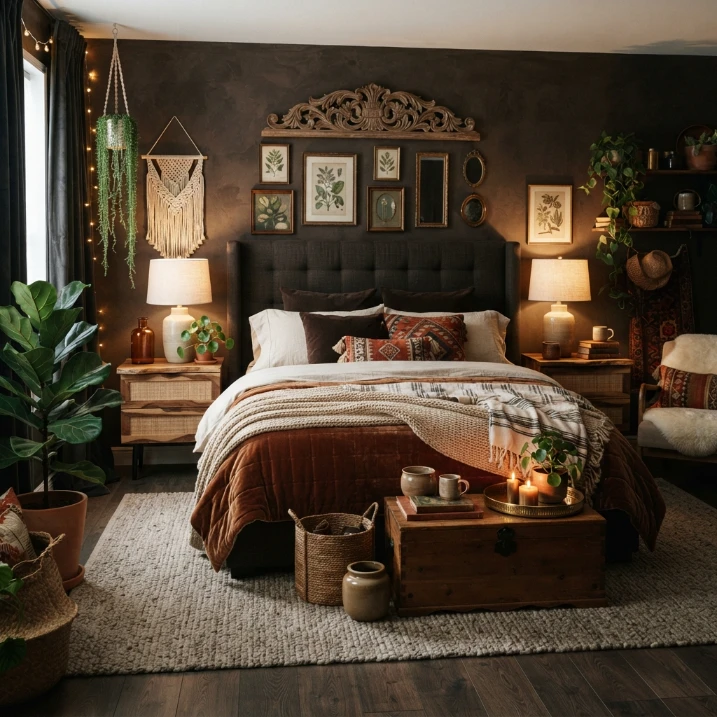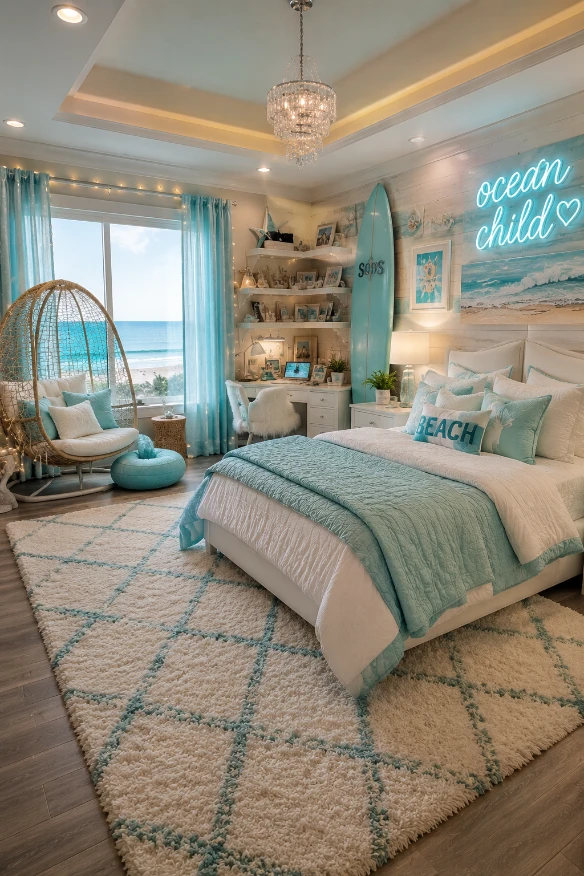
15 Beautiful Bedroom Wall Decor Ideas You’ll Want to Try
Your bedroom walls have more influence on the room than you might think. Even with beautiful bedding and stylish furniture, large blank walls can make the space feel unfinished.
The good news is that bedroom wall decor does not require a complete makeover. A mirror, a few carefully chosen prints, floating shelves, textured fabric, or even a new paint treatment can change the atmosphere while allowing you to work with furniture you already own.
The key is choosing wall decor that fits the size of your bedroom, complements your color palette, and feels personal rather than filling every empty surface.
Whether you prefer cozy, modern, minimalist, rustic, or luxurious interiors, these ideas will help you create bedroom walls that feel intentional and connected to the rest of the room.
15 Bedroom Wall Decor Ideas to Elevate Your Space
Before decorating, look at the bedroom as a whole rather than treating each empty wall separately. The wall behind the bed usually makes the strongest visual impact, while smaller walls are often better suited to shelves, mirrors, photographs, or functional decor.
You also do not need to decorate every wall. Leaving some open space can help artwork and decorative features stand out rather than compete for attention.
Here are 15 practical ideas to consider.
1. Create a Gallery Wall

A gallery wall is a flexible way to bring artwork, photographs, prints, and personal memories into your bedroom.
Instead of purchasing a perfectly matched collection, combine pieces that have something in common. They might share similar colors, frame finishes, subject matter, or artistic styles.
For example, a calm neutral bedroom could include:
- Black-and-white photography
- Simple botanical prints
- Abstract line drawings
- Warm wooden frames
- Small personal photographs
Before putting nails into the wall, arrange your frames on the floor. This gives you an opportunity to experiment with spacing and placement.
For a clean, contemporary appearance, use frames in the same color and keep the gaps fairly consistent. For something more relaxed, mix frame sizes and finishes while repeating one or two colors throughout the arrangement.
The wall above a dresser, desk, or low console can be particularly suitable for a gallery because the furniture visually anchors the collection.
Practical tip: Avoid making a small gallery wall float awkwardly above a very wide bed. Either increase the overall scale of the arrangement or choose fewer, larger pieces.
2. Hang a Large Mirror

A large mirror combines decoration with everyday function, making it particularly useful in bedrooms where floor space is limited.
Mirrors reflect both natural and artificial light, which can help a room appear brighter. Positioning one where it catches daylight from a window can make a darker bedroom feel more open during the day.
The frame also gives you an opportunity to reinforce the bedroom’s style.
Consider:
- Thin black metal for modern rooms
- Warm wood for organic or Scandinavian interiors
- Antique brass for traditional bedrooms
- Arched frames for a softer architectural feature
- Frameless designs for minimalist spaces
An oversized mirror can work above a dresser, beside the bed, or on an otherwise unused wall.
Just pay attention to what the mirror reflects. A beautiful window, artwork, or tidy section of the room is preferable to a cluttered corner.
If you are hanging a particularly large or heavy mirror, use mounting hardware appropriate for its weight and your wall type.
3. Try Floating Shelves

Floating shelves are ideal when you want your bedroom wall decor to provide storage as well as style.
They can hold small framed prints, books, ceramics, candles, decorative objects, and lightweight plants without taking up valuable floor space.
The biggest mistake is filling every inch of the shelf.
Instead, create small groups of objects and leave some breathing room between them. Try varying heights as well. A taller framed print beside a small ceramic vase and a short stack of books usually looks more natural than a straight row of similarly sized accessories.
Shelf material can also help establish the room’s character. Light oak feels relaxed and contemporary, dark walnut creates more contrast, and painted shelves can blend into the wall for a subtle effect.
In a small bedroom, floating shelves can even replace traditional bedside tables when properly installed at a convenient height.
Safety note: Avoid placing heavy, fragile, or poorly secured objects on shelves directly above the bed.
4. Add a Tapestry or Textile

Wall decor does not always have to be framed.
Fabric can introduce softness, texture, pattern, and color, making it especially effective in bedrooms that contain many hard surfaces.
A large woven wall hanging can also cover substantial wall space without requiring several individual decorative pieces.
Depending on your style, consider:
- Woven wall hangings
- Vintage-inspired textiles
- Embroidered fabric
- Quilted pieces
- Macramé
- Decorative fabric panels
Textile wall decor works particularly well with boho, rustic, eclectic, and cozy bedroom styles.
For a more refined appearance, choose a textile with subtle colors that already appear in your bedding, rug, or curtains. A cream, rust, olive, and muted brown textile, for example, could complement a warm earthy bedroom without dominating it.
Keep surrounding accessories relatively simple when the textile has a detailed pattern.
5. Display Framed Art

You do not need an entire gallery wall to make artwork effective. Sometimes one or two carefully selected pieces create a stronger focal point.
Large framed artwork above the headboard can visually anchor the bed and establish the bedroom’s color direction.
The artwork does not have to match every color in the room. Instead, look for one or two tones that connect it with your bedding, curtains, furniture, or rug.
Popular options include:
- Abstract artwork
- Landscapes
- Botanical illustrations
- Photography
- Minimal line drawings
- Vintage-style prints
Scale matters here.
A tiny frame above a king-size bed can appear disconnected. A substantial horizontal piece or a balanced pair or trio of frames will usually relate better to larger furniture.
For a luxurious bedroom, consider an oversized piece with a generous frame and plenty of surrounding negative space. This can feel more sophisticated than covering the wall with many small accessories.
6. Use Wallpaper as an Accent

Wallpaper can turn the wall behind your bed into a decorative feature without requiring additional artwork.
There are options for almost every interior style, from subtle grasscloth-inspired textures to florals, geometric patterns, stripes, and dramatic botanical designs.
If you are hesitant about covering the entire bedroom, start with one accent wall.
For example:
Warm white bedding + walnut furniture + muted botanical wallpaper + brass lighting
This creates visual interest while keeping the rest of the room relatively calm.
Pattern scale is important. A bold oversized pattern can suit a large wall, while a smaller or softer design may be easier to live with in a compact bedroom.
Renters can also consider removable peel-and-stick options where suitable. Always check the manufacturer’s installation and removal guidance because results can vary depending on the wall surface and paint condition.
7. Mount Wall Sconces

Wall sconces are one of the most practical bedroom wall decoration ideas because they provide both light and visual structure.
Installing sconces on either side of the bed can free up space on your nightstands while creating a balanced look around the headboard.
Choose the fixture according to how you use it.
Adjustable sconces can be useful for bedtime reading, while frosted glass or fabric shades provide softer ambient lighting.
Popular finishes include:
- Aged brass
- Matte black
- Brushed nickel
- Bronze
- Ceramic
- Frosted or opal glass
For a cohesive bedroom, repeat the sconce finish in one or two other details, such as drawer handles, a mirror frame, or furniture legs.
You do not necessarily need hardwired lighting. Plug-in wall sconces can provide a similar effect with less complicated installation.
8. Hang a Statement Clock

A clock may not be the first thing you think about when planning bedroom walls, but the right design can act almost like a piece of art.
Instead of a small office-style clock, choose something that relates to the scale and style of your room.
A simple wooden clock can complement a natural bedroom, while a slim metal design suits contemporary decor. Vintage-inspired clocks can work beautifully in farmhouse or traditional interiors.
Keep the surrounding wall fairly simple if the clock is large.
One statement feature generally looks more intentional than placing several unrelated decorative pieces around it.
Think about practicality too. If you are sensitive to sound while sleeping, choose a quiet or non-ticking mechanism.
9. Use Reclaimed Wood Panels

Wood brings warmth and natural texture into a bedroom, particularly when the space contains a lot of white, gray, or other neutral colors.
A wood-paneled headboard wall can become a major architectural feature without requiring additional artwork.
The appearance depends heavily on the wood and installation style.
Vertical wood slats create a clean, contemporary effect. Wider horizontal boards can feel more rustic, while darker walnut-toned panels create a richer, moodier atmosphere.
You do not necessarily have to panel an entire wall. Wood can be used behind the bed only, across the lower portion of a wall, or as a framed decorative section.
If using reclaimed materials, make sure the wood is suitable for indoor use and properly cleaned and prepared before installation.
Pair textured wood with simpler bedding to maintain balance.
10. Paint a Mural or Accent Wall

Paint is one of the most versatile ways to update bedroom walls.
A traditional accent wall can introduce a contrasting color behind the bed, while a hand-painted mural gives you more freedom to create something personal.
You could try:
- Soft arches
- Organic abstract shapes
- Simple landscapes
- Color blocking
- Painted headboard shapes
- Subtle geometric designs
You do not need advanced painting skills to create an attractive feature.
For example, painting a large rounded arch behind a simple bed can visually frame the sleeping area without requiring a physical headboard.
If you prefer a classic accent wall, consider colors such as sage green, muted blue, warm taupe, charcoal, dusty rose, or earthy terracotta depending on the existing palette.
Test paint samples in the actual bedroom before committing. Colors can look noticeably different as daylight changes throughout the day.
11. Add Plants or a Wall Planter

Greenery can soften a bedroom and add natural color without requiring complicated decorating.
Wall-mounted planters work especially well when dressers and nightstands already feel crowded.
Trailing plants can create an attractive effect from a secure shelf or planter, while smaller plants can be grouped in wall-mounted containers.
However, choose plants according to the actual conditions in your bedroom rather than appearance alone. Consider available daylight, humidity, maintenance requirements, and how easily you can reach the plant for watering.
If the bedroom receives little natural light or plant care is unrealistic, a high-quality artificial plant can provide a similar decorative effect without ongoing maintenance.
Avoid positioning planters where water could drip onto the bed, electrical outlets, or furniture.
12. Hang a Large Map

Maps can make surprisingly attractive wall art for a bedroom, particularly when you want decor with personal meaning.
Instead of a brightly colored classroom-style map, choose a design that suits your interior.
Options might include:
- Vintage world maps
- Minimal monochrome maps
- Antique city maps
- Topographic prints
- Maps of a favorite destination
- A map of your hometown or meaningful city
A framed map above a desk can create a subtle travel theme without making the entire bedroom feel themed.
You can also select colors that coordinate with the room. Sepia and cream suit traditional spaces, while black-and-white maps work well in contemporary bedrooms.
For something more personal, choose a location connected to a memorable trip, childhood home, or future travel goal.
13. Install Pegboard or Corkboard

Not every bedroom wall has to be purely decorative.
A pegboard or corkboard can make use of vertical space while keeping everyday items organized.
This idea is especially useful above a bedroom desk, in a teen bedroom, or in a small room where storage is limited.
A pegboard might hold:
- Small baskets
- Headphones
- Notes
- Lightweight accessories
- Photos
- Small shelves
- Stationery
A corkboard works well for photographs, calendars, inspiration images, postcards, and reminders.
Rather than allowing it to become visually cluttered, choose a simple color palette and regularly remove items you no longer need.
You can even paint the pegboard the same color as the wall so that it feels integrated rather than looking like office equipment.
14. Decorate with Wall Decals or Stickers

Wall decals offer a relatively simple way to add personality without creating a permanent feature.
They are particularly useful for renters, children’s rooms, teen bedrooms, or anyone who likes changing decor frequently.
Modern options extend far beyond simple quotes. You can find botanical forms, abstract shapes, arches, geometric patterns, stars, florals, and other decorative motifs.
The secret is restraint.
Instead of covering every wall, select one area where the decals can create a deliberate feature. Behind a desk, above a dresser, or around a reading corner can work particularly well.
For an adult bedroom, muted designs generally create a more refined effect than highly saturated or overly busy patterns.
Always check whether a removable product is compatible with your wall finish before applying it.
15. Create a Decorative Headboard Wall

The wall behind your bed naturally attracts attention, so turning it into a dedicated feature can give the whole bedroom a more finished appearance.
Instead of relying solely on artwork, combine the headboard with architectural or decorative details.
You could use:
- Vertical wood slats
- Simple wall molding
- Upholstered wall panels
- Painted paneling
- Picture-frame molding
- Fluted wall panels
For example, imagine a cream upholstered bed positioned against warm greige picture-frame molding, finished with two brass sconces and simple white bedding. The wall itself becomes the decoration, so very little additional artwork is necessary.
In a modern bedroom, vertical slats extending from the floor toward the ceiling can emphasize height. In a traditional room, symmetrical molding behind the headboard can add character without introducing another color or pattern.
This approach is particularly effective when you want modern bedroom wall decor that looks polished but not cluttered.
Keep proportions in mind. The decorative treatment should relate to the width of the bed rather than appearing like a narrow strip behind it.
How to Choose Bedroom Wall Decor That Works Together
It is easy to save dozens of bedroom ideas and then realize they do not necessarily belong in the same room.
Start by identifying the main style and color palette already present in your bedroom.
Then choose one major wall feature and support it with smaller elements.
For example:
| Bedroom Style | Main Wall Feature | Supporting Decor |
|---|---|---|
| Modern | Large abstract art | Black sconces, simple mirror |
| Cozy Neutral | Textured wall hanging | Oak shelves, warm lighting |
| Luxury | Decorative molding | Oversized art, brass sconces |
| Boho | Textile or gallery wall | Plants, woven accessories |
| Rustic | Reclaimed wood | Vintage prints, wooden frames |
| Minimalist | Single large artwork | Slim mirror, subtle lighting |
Try repeating materials rather than adding something completely new every time.
If you already have walnut nightstands, a walnut picture frame or floating shelf can help connect the room. If your lamps contain brass, a small amount of brass in the wall decor can create continuity.
You should also consider how much visual activity already exists in the room.
Patterned bedding, a colorful rug, and detailed curtains may call for simpler walls. Plain bedding and neutral furniture, on the other hand, give you more freedom to use dramatic artwork or wallpaper.
Common Bedroom Wall Decorating Mistakes to Avoid
Even beautiful pieces can look awkward when their size, placement, or quantity does not suit the room.
One common mistake is choosing artwork that is too small for the furniture underneath it. A tiny print above a wide bed often looks lost rather than intentional.
Another issue is trying to fill every available wall.
Empty space is part of the design. It gives your eyes somewhere to rest and allows your favorite pieces to receive more attention.
Also watch out for:
- Hanging artwork excessively high
- Mixing too many unrelated decor styles
- Using too many small accessories
- Ignoring the proportions of the bed and furniture
- Choosing wall colors without testing them in the room
- Placing heavy objects above the bed without proper installation
- Adding trends that do not suit your personal style
Ask yourself: Would I still enjoy this wall if the current trend disappeared next year?
If the answer is yes, it is probably a better choice for your bedroom.
FAQs
What is the best decor for a bedroom wall?
There is no single option that works for every bedroom. Artwork, mirrors, floating shelves, wallpaper, sconces, textiles, molding, and wood panels can all work well.
Choose based on your room size, decorating style, available wall space, and practical needs. A small bedroom may benefit from a mirror or functional shelving, while a larger room can comfortably handle oversized artwork or an accent wall.
What should I put on the wall above my bed?
Popular choices include one large piece of artwork, two or three coordinated prints, wallpaper, decorative molding, a textile, or a wood feature.
Whatever you choose, make sure it is properly secured. Avoid placing unnecessarily heavy or fragile decorative objects directly over where you sleep.
How can I decorate a bedroom wall on a budget?
Start with paint and items you already own.
Personal photographs can be printed and framed, existing frames can be repainted, and inexpensive prints can be arranged into a gallery wall. Removable decals, a painted arch, a corkboard, or a simple floating shelf can also make a noticeable difference without requiring a major renovation.
You do not have to decorate the entire room at once. Start with the wall behind the bed and build gradually.
How do I decorate a large blank bedroom wall?
Large walls usually need appropriately scaled decor.
Instead of scattering many tiny objects across the surface, consider oversized artwork, a substantial gallery arrangement, wallpaper, wall molding, wood paneling, or a large textile.
Another option is to visually divide the wall into zones. A dresser with artwork on one side and a reading chair with a wall sconce on the other can make a wide wall feel balanced.
How can I make bedroom wall decor look expensive?
Scale, spacing, and restraint often matter more than the price of individual pieces.
Choose fewer pieces with stronger visual impact, keep frame spacing consistent, coordinate finishes with furniture, and avoid overcrowding. Large artwork, warm lighting, decorative molding, textured wallpaper, and thoughtfully placed mirrors can all create a more polished appearance.
Even inexpensive prints can look elevated when they are properly framed and positioned.
Should all bedroom walls have decorations?
No. In many bedrooms, decorating every wall makes the room feel busier rather than more complete.
Choose one primary focal wall—usually behind the bed—and add smaller decorative details elsewhere. Leaving at least one wall relatively simple can create visual balance.
How do I match wall decor with bedroom colors?
You do not need an exact color match.
Instead, repeat a few tones from the existing bedroom. If your bedding includes cream, olive, and rust, artwork containing one or two of those shades can visually connect the wall with the bed.
Wood tones and metal finishes can be repeated in the same way.
Conclusion
Good bedroom wall decor is not about filling every blank space. It is about choosing pieces that make the bedroom feel more personal, comfortable, and visually balanced.
Start with the wall that has the greatest impact. For many bedrooms, that will be the area behind the bed. A large piece of framed art, wallpaper, molding, wood panels, or a carefully arranged gallery wall may be all it needs.
Then consider functionality. Floating shelves can provide storage, sconces can improve bedside lighting, mirrors can reflect light, and pegboards can turn unused vertical space into practical organization.
Most importantly, give the room time to develop. You do not need to purchase everything at once. Choose pieces you genuinely like, repeat a few colors and materials throughout the space, and leave enough open wall area for the design to breathe.
The best bedroom walls should feel like part of the room—not a collection of decorations added simply because there was an empty space.