13 Moody Modern Bedroom Ideas That Merge Depth, Simplicity, and Calm
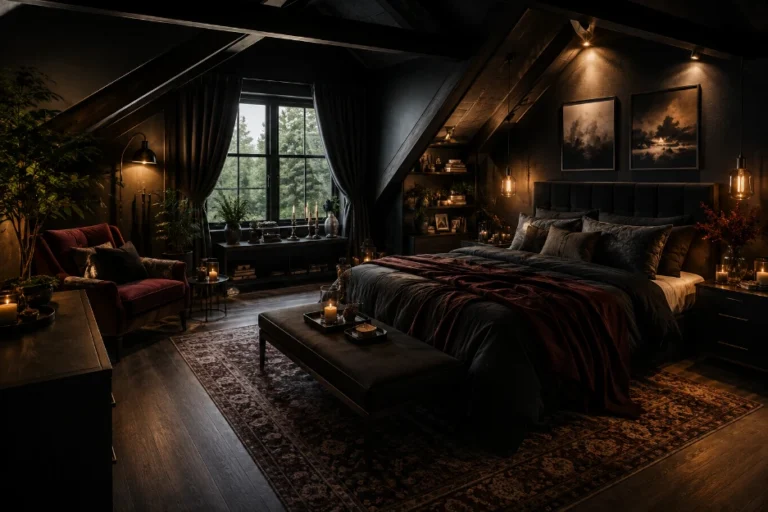
A dark bedroom does not have to feel heavy, cold, or smaller than it really is. When rich colors are balanced with simple furniture, soft textures, and carefully placed lighting, darkness can actually make a bedroom feel calmer and more intentional.
A Moody Modern Bedroom combines the atmosphere of a darker palette with the clean lines of modern interior design. The goal is not to fill the room with black furniture or dramatic decor. Instead, every element should contribute to comfort, visual balance, and everyday function.
The following ideas focus on creating that balance without making the bedroom feel cluttered or overly styled.
Why a Moody Modern Bedroom Works When Done Right
Modern bedrooms often rely on simplicity, while moody interiors create character through color, shadow, and texture. Bringing these two approaches together can create a room that feels sophisticated without becoming visually busy.
Dark charcoal, warm black, chocolate brown, muted olive, smoky navy, and earthy gray can all provide a strong foundation. Natural wood, linen, wool, soft upholstery, and warm lighting then keep those darker shades from feeling flat.
The key is restraint.
Instead of adding several statement pieces, choose a few elements with a clear purpose. A low bed, one large artwork, concealed storage, and layered lighting can provide more impact than numerous decorative accessories.
Ask yourself: Does each element make the room more comfortable, functional, or visually balanced? If it does none of these things, the room may be better without it.
13 Moody Modern Bedroom Ideas That Merge Depth, Simplicity, and Calm
1. Create a Moody Modern Bedroom with Deep Matte Walls and a Unified Ceiling

Dark walls are one of the most effective ways to establish a moody atmosphere, but stopping the color at a bright white ceiling can create a sharp visual break.
Consider extending the wall color onto the ceiling for a more cohesive look.
Warm charcoal, smoky brown, muted forest green, and softened black work particularly well. A matte or low-sheen finish can reduce reflections and give the surfaces a quieter appearance.
This approach can also work well in bedrooms with awkward ceiling angles because using one continuous shade makes architectural transitions less noticeable.
Before painting the entire room, test a generous sample. Look at it during morning daylight, afternoon light, and under your bedroom lamps at night.
Dark paint can change considerably depending on the light source.
2. Choose a Low Platform Bed to Give Your Moody Modern Bedroom Cleaner Lines

A platform bed naturally suits modern bedroom design because of its simple horizontal shape.
Choose a low-profile frame in dark oak, walnut, black-stained wood, or upholstered charcoal fabric. Avoid excessive decorative detailing if you want the room to maintain a calm, architectural appearance.
You can also introduce subtle integrated lighting beneath the bed frame.
The purpose should be a gentle nighttime glow rather than a bright strip of visible light. Concealing the light source beneath the frame creates a softer floating effect.
Pair the dark bed with lighter or mid-tone bedding so its shape remains visible.
Cream, mushroom, stone, taupe, muted olive, and warm gray can all soften a darker bedroom without disrupting its moody character.
3. Use Floor-to-Ceiling Blackout Curtains for a Softer Moody Modern Bedroom

Window treatments have a surprisingly large influence on the overall appearance of a bedroom.
Short curtains can visually divide a wall, while curtains mounted close to the ceiling create a longer, cleaner vertical line.
Choose full-length blackout curtains in charcoal, mushroom, espresso, smoky navy, or another shade related to your wall color.
For a softer appearance, consider fabrics with visible texture rather than highly reflective materials.
Good blackout curtains also provide practical benefits, including:
- Better control over early morning light
- Increased privacy
- Reduced glare
- A more comfortable sleeping environment
Allow the curtains to frame the window naturally rather than covering large sections of usable daylight during the day.
4. Add Wall-Mounted Nightstands with Hidden Storage to a Moody Modern Bedroom

Bulky bedside furniture can make a modern bedroom feel unnecessarily crowded.
Floating nightstands provide a cleaner alternative.
Mounting them above the floor leaves more visible space underneath, which can make the bedside area appear lighter. A small drawer also provides somewhere to hide chargers, cables, glasses, and other everyday items.
Walnut works beautifully against charcoal or black walls, while black-stained wood creates a more monochromatic appearance.
Plan technology at the same time.
If possible, position accessible outlets near the nightstand and use simple cable management so charging cords do not hang visibly down the wall.
The result should look minimal while still being practical for everyday use.
5. Layer Soft Cove and Indirect Lighting Throughout Your Moody Modern Bedroom

Lighting becomes particularly important when walls, furniture, and textiles absorb more light.
One bright ceiling fixture rarely creates the most comfortable result.
Instead, combine several softer sources of illumination. Cove lighting can provide ambient light around ceiling edges or architectural recesses, while bedside sconces or reading lights provide more focused illumination.
You might combine:
- Concealed cove lighting
- Bedside wall sconces
- A floor lamp
- Subtle wardrobe lighting
- Low-level accent lighting
Use warm-toned bulbs where appropriate to complement wood, linen, and darker paint colors.
Dimmers can also be useful because the amount of light needed while organizing clothes is very different from the amount you may want before sleeping.
A moody room should feel atmospheric because the lighting is controlled—not simply because the room is dark.
6. Make a Monolithic Headboard the Architectural Focus of Your Moody Modern Bedroom

Instead of filling the wall behind the bed with multiple decorations, allow the headboard itself to become the feature.
A wide headboard in acoustic felt, dark wood, textured upholstery, or slim wood panels can establish a strong architectural line.
It could extend beyond the width of the mattress or even run from one bedside table to the other.
This creates impact without requiring busy patterns.
For example, a walnut headboard against warm charcoal walls can introduce enough natural variation through wood grain alone. A charcoal felt headboard, meanwhile, can create a softer tonal effect.
Keep the bedding relatively simple so the materials do not compete.
7. Blend Flush Closet Doors into the Walls of a Moody Modern Bedroom

Large wardrobes can dominate a bedroom simply because they occupy so much vertical space.
Rather than highlighting them, consider visually integrating closet doors with the surrounding wall.
Flat-front doors painted in the same or a closely related shade create a cleaner background. Push-to-open hardware can reduce the need for visible handles and maintain an uninterrupted surface.
This approach is particularly useful in smaller bedrooms.
Closed storage also prevents everyday belongings from becoming part of the visual composition.
However, minimal appearance should never come at the expense of usability. Make sure doors open comfortably and internal storage is organized around the clothing and belongings you actually use.
8. Use One Sculptural Floor Lamp as Functional Decor in a Moody Modern Bedroom

Modern rooms do not need to be completely free of decorative objects.
The better approach is often to choose fewer pieces with stronger shapes.
A sculptural floor lamp can provide both useful illumination and visual interest. Look for a simple curved arm, an oversized fabric shade, a slim metal frame, or another form that complements the room’s architecture.
Place it beside a reading chair, near an empty corner, or alongside the bed if space allows.
Matte black metal can reinforce a darker palette, while aged brass can introduce subtle warmth.
Avoid surrounding the lamp with numerous smaller decorative pieces. Give its shape enough empty space to be appreciated.
9. Anchor Your Moody Modern Bedroom with One Large Tonal Area Rug

Hard floors combined with dark walls can sometimes make a bedroom feel visually severe.
A large area rug adds softness without requiring additional furniture or decor.
Instead of choosing a strongly contrasting pattern, look for a tonal rug in shades such as warm gray, taupe, charcoal, oatmeal, or muted brown.
Texture can provide the variation.
A wool rug, low-pile woven design, or subtly patterned surface can look interesting even when the colors remain restrained.
Ideally, the rug should extend beyond the sides of the bed so your feet land on a comfortable surface when you get up.
One appropriately sized rug usually creates a calmer composition than several small rugs scattered throughout the room.
10. Keep Matte Black Hardware Consistent Across Your Moody Modern Bedroom

Small details become more noticeable when the overall design is simple.
Door handles, wardrobe pulls, curtain rods, lamp details, and furniture hardware do not necessarily need to match perfectly, but they should feel related.
Matte black is particularly useful because it works with charcoal, walnut, gray, olive, navy, and warm neutral palettes.
Consistency creates a subtle visual rhythm.
For example, black wall sconces can relate to black curtain rods and slim black wardrobe handles without making those elements the main attraction.
You can still introduce another metal, such as aged brass, as an accent. Simply avoid mixing several unrelated finishes without a clear reason.
11. Finish a Moody Modern Bedroom with One Large Abstract Artwork

Artwork can prevent a minimalist bedroom from feeling unfinished, but several small frames are not always necessary.
One oversized abstract piece can create a stronger and calmer focal point.
Position it above the bed, dresser, or another large uninterrupted wall.
Choose artwork that relates to the existing palette rather than introducing several completely new colors. Warm beige, charcoal, rust, muted olive, cream, or smoky blue can provide subtle variation.
Scale matters more than complexity.
A larger piece with generous negative space often works better in a modern bedroom than a complicated gallery wall.
The artwork should feel like part of the architecture rather than another layer of visual clutter.
Common Moody Modern Bedroom Mistakes and How to Fix Them
A Moody Modern Bedroom can quickly lose its calm character when darkness is treated as the only design goal.
One common mistake is using dark walls, dark bedding, dark furniture, and dark flooring without enough variation. The room can become visually flat because individual shapes begin to disappear.
Fix: Introduce contrast through texture and tone. Combine matte paint with visible wood grain, linen bedding, wool, glass, or upholstered surfaces.
Another issue is insufficient lighting.
Fix: Create several lighting layers rather than relying on one overhead fixture.
Too much furniture can also undermine the modern side of the design.
Fix: Keep pieces that serve a genuine function and allow comfortable walking space around the bed.
Finally, avoid filling every wall and surface with accessories. Empty space is not unfinished space. In modern interiors, it is an important part of the composition.
Let Your Moody Modern Bedroom Breathe
The strongest moody bedrooms are not necessarily the darkest ones.
They are the rooms where dark colors, furniture, lighting, texture, and empty space work together.
After arranging the essential furniture, resist the urge to immediately decorate every remaining surface. Live with the room for a little while and notice where something genuinely feels missing.
A bare corner may provide visual balance. An empty section of wall can make a large artwork more noticeable. A clear nightstand can make the entire bedside area feel calmer.
Try viewing the room from the doorway as well.
Is there an obvious focal point? Can you clearly see the bed? Does furniture interrupt the natural walkway? Are several decorative elements competing for attention?
Removing one unnecessary object can sometimes improve a Moody Modern Bedroom more than adding another expensive accessory.
Conclusion
Creating a successful Moody Modern Bedroom is less about making everything dark and more about controlling contrast, texture, light, and visual clutter.
Start with a restrained color palette, then build the room around clean-lined furniture and practical storage. Use warm layered lighting to reveal the textures of wood, linen, wool, and upholstery, and allow a few carefully chosen pieces to provide personality.
Most importantly, leave some breathing room.
When every element has a purpose and nothing is competing unnecessarily for attention, a moody modern bedroom can feel intimate, sophisticated, and genuinely restful.